Sandhan Valley Trek: The Grand Canyon of Maharashtra
Carved deep into ancient rock formations, Sandhan Valley Trek stands as one of the most dramatic natural landscapes in western India. This spectacular gorge is not a place for casual sightseeing. It is meant for explorers who enjoy rugged terrain, silent spaces, and an intimate connection with nature. Towering cliffs, narrow rock corridors, and hidden water pools define the experience. What makes this destination truly special is its sense of isolation, even though it is reachable from major trekking hubs. The Sandhan valley trek is often described as transformative because it strips away distractions. It also places trekkers face to face with raw geography and personal limits.
Geographic Setting and Natural Surroundings
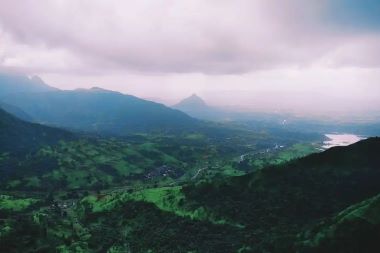
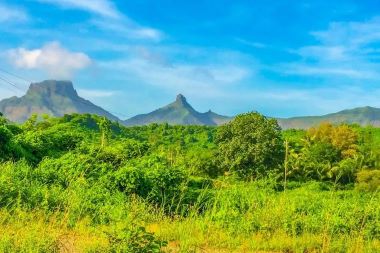
Sandhan Valley lies in the heart of Maharashtra, surrounded by the imposing ridges of the Sahyadri range. The valley is approached from the small village of Samrad, which acts as the base for most trekking routes. This region Lonavala Hill Walk forms part of the Western Ghats. That is a UNESCO-recognized biodiversity hotspot known for its complex terrain and ancient geological history.
The surrounding landscape of Sandhan Valley Trek alternates between flat plateaus and steep escarpments. During the post-monsoon months, the area transforms with greenery and flowing streams. In drier seasons, the rock formations dominate the view, revealing the true scale and depth of the canyon. Despite its growing fame, the valley remains relatively untouched, thanks to limited access and the technical nature of the route.
Why the Valley Earned Its Grand Canyon Reputation
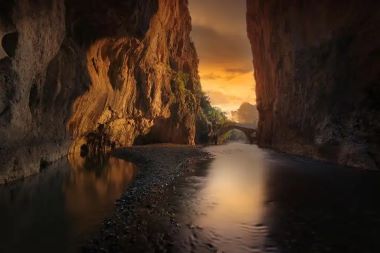
The comparison to the Grand Canyon is rooted in the valley's structure rather than its size. Over thousands of years, water erosion sculpted a deep, narrow gorge with almost vertical rock walls. In several sections, the canyon becomes so tight that sunlight barely reaches the floor. This creates long stretches of shadow, cool temperatures, and an almost surreal atmosphere.
The rock walls display layered textures, telling a silent story of geological time. Pools of water collected at the base reflect the cliffs above, creating striking visual symmetry. The echo of footsteps and voices amplifies the sense of scale. These features combine to give the valley its legendary status among trekkers and adventure seekers.
Terrain Characteristics and Difficulty Level
The Sandhan Valley Trek is not defined by steep climbs but by constant obstacles. Trekkers descend into the canyon through uneven rock steps, boulders, and slippery surfaces. Some sections require crawling, careful balancing, or rope-assisted descents. The terrain demands patience rather than speed, as each step must be placed thoughtfully.
The difficulty level is generally rated moderate to challenging. Physical fitness helps, but mental focus is equally important. Claustrophobic sections and long shaded corridors can test confidence. Prior trekking experience is highly recommended, especially for those unfamiliar with canyon environments. Guided groups benefit from local knowledge, which significantly reduces risk.
Best Season and Weather Considerations
Seasonal timing shapes the entire experience. The most favorable period runs from October to February, when water levels are manageable and temperatures remain pleasant. Post-monsoon conditions enhance the beauty of the valley, with fresh water pools and moss-covered rocks adding texture and color.
Summer months are not advisable, as heat becomes trapped within the canyon walls, leading to dehydration and exhaustion. Peak monsoon season carries serious risks due to sudden water surges and flash floods. Even light rainfall upstream can drastically alter conditions inside the gorge, making weather awareness essential.
Route Description and Trek Duration
The journey typically begins at Samrad village, where trekkers register and prepare before entering the valley. The initial walk is relatively easy, passing through open terrain and gradual descents. As the path narrows, the canyon walls close in, signaling the start of the core adventure.
Although the total distance is not very long, the Sandhan Valley Trek often takes several hours. Progress slows due to technical sections, water crossings, and natural obstacles. Many groups choose to complete the route in a single extended day. Others prefer an overnight itinerary, which allows time to explore, rest, and absorb the valley's atmosphere without rushing.
Camping Experience Inside the Canyon
Camping within Sandhan Valley is a highlight for many trekkers. As daylight fades, the towering rock walls trap silence, broken only by the sound of water dripping from stone surfaces. The sky appears as a narrow ribbon above, revealing stars in striking clarity.
Campsites are usually set up on flat rocky platforms near water sources. Night temperatures can drop sharply, making warm clothing essential. Campers must be fully self-sufficient, carrying food, lighting, and safety equipment. Fires are discouraged to preserve the environment and prevent accidents. Spending a night inside the canyon deepens the sense of isolation and connection with nature.
Safety Guidelines and Local Permissions
Safety planning is critical for the Sandhan Valley Trek. Entry permissions are often required, especially for overnight stays. Local authorities and village representatives regulate access to ensure responsible tourism. Hiring an experienced local guide is strongly advised, as they understand water behavior, weather patterns, and emergency exit points.
Essential safety gear includes helmets, ropes, harnesses, and first-aid kits. Group coordination is important, as narrow passages require orderly movement. Trekkers should avoid entering the valley if heavy rainfall is forecast anywhere in the surrounding catchment area. Preparation and caution significantly enhance both safety and enjoyment.
Nearby Forts and Trekking Extensions
The region around Sandhan Valley is rich in trekking heritage. Several historic hill forts rise from nearby ridges, offering panoramic views and challenging climbs. Notable examples include Alang Fort, Madan Fort, and Kulang Fort.
These forts are often combined with the canyon trek to form multi-day expeditions. Each fort adds historical depth and strategic insight into the region's past. The combination of natural and man-made structures creates a well-rounded adventure for seasoned trekkers.
Flora, Fauna, and Subtle Ecosystems
At first glance, the valley appears barren, but closer observation reveals surprising biodiversity. Moist rock surfaces support mosses, lichens, and seasonal flowering plants. During monsoon and winter, small insects and amphibians thrive near water pools.
Birdlife is particularly notable, with calls echoing dramatically through the canyon. The limited sunlight creates a microclimate that supports unique ecological patterns. Observing these subtle details adds a layer of appreciation beyond the physical challenge of the trek.
Physical Conditioning and Mental Readiness
Preparing for the Sandhan Valley Trek involves more than basic fitness. Cardiovascular endurance helps manage long hours of movement, while flexibility aids in navigating tight spaces. Strength training, especially for legs and core, improves balance on uneven surfaces.
Mental readiness is equally important. Trekkers must remain calm in confined sections and trust both equipment and guidance. Patience is essential, as rushing increases the risk of slips and injuries. A steady mindset allows trekkers to fully engage with the experience rather than simply enduring it.
Responsible Trekking and Environmental Care
Preserving the valley's pristine condition is a shared responsibility. Trekkers should follow strict leave-no-trace principles. All waste must be carried out, including biodegradable items. Noise should be kept minimal to respect wildlife and fellow trekkers.
Supporting local communities by hiring guides and purchasing supplies locally contributes to sustainable tourism. Responsible behavior ensures that future generations can experience the same untouched beauty that defines this canyon.
Cultural Context and Local Life
Samrad village and nearby settlements maintain a simple, agrarian lifestyle. Interacting respectfully with locals adds cultural richness to the journey. Many villagers have deep knowledge of the terrain, weather, and history of the area.
Understanding local customs and traditions fosters mutual respect. Trekkers often find that these interactions provide grounding moments before and after the intense wilderness experience inside the valley.
Final Thoughts on This Unique Canyon Adventure
The Sandhan Valley Trek stands apart because it challenges both body and perception. It is not about conquering peaks but about navigating depth, shadow, and silence. Every bend in the canyon reveals new textures, sounds, and emotions. For trekkers seeking an experience that feels raw, immersive, and unforgettable, this journey is enjoyable. It offers a rare opportunity to explore one of Maharashtra's most extraordinary natural formations.

Treks Knowledge Hub brings you reliable and inspiring content on trekking destinations across India. Our editorial team is passionate about exploring trails, from the Himalayas to the Western Ghats. We aim to provide accurate guides, safety tips, and real experiences for every trekking enthusiast. Whether you're a beginner or a seasoned trekker, we help you plan smarter adventures. Discover India, one trek at a time, with our expert insights and curated knowledge.