Bagini Glacier Trek: Explore the Majestic Glaciers of Uttarakhand
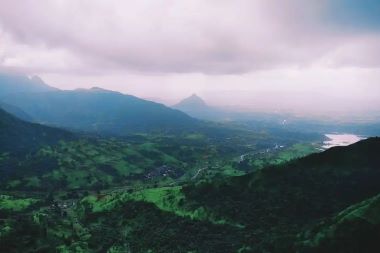
The Himalayas hide countless trekking routes that reward adventurers with breathtaking landscapes and unforgettable experiences. Firstly, the Bagini Glacier Trek stands out among these hidden gems. Moreover, it is famous for its raw beauty, peaceful trails, and spectacular mountain scenery. This trek is located in Uttarakhand's Chamoli district. It takes travelers through lush alpine meadows, traditional Himalayan villages, and rugged glacial terrain.
Unlike crowded Himalayan expeditions, this route offers a tranquil escape into nature. Every step reveals snow-covered peaks, colorful wildflowers, Parvati Valley Trek crystal-clear streams, and pristine valleys. Whether you are an experienced trekker or someone seeking an offbeat adventure, this journey promises memories. That last a lifetime. This guide meanwhile explores everything you need to know before planning your trek.
Why This Himalayan Trek Deserves Your Attention
The Bagini Glacier Trek offers much more than scenic mountain views. It further combines adventure, culture, and untouched wilderness into one unforgettable experience. The trail passes through remote villages where local communities continue to preserve their centuries-old traditions.
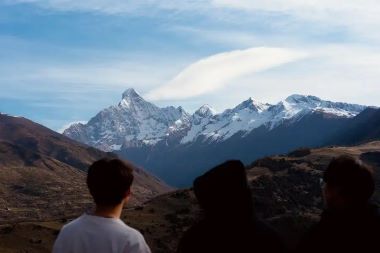
Trekkers enjoy magnificent views of towering Himalayan giants including Dunagiri, Changbang, Kalanka, and Trishuli. The dramatic landscape during Bagini Glacier trekking and adventure constantly changes as you climb higher. That further makes every day of the journey unique. The peaceful surroundings also make it an excellent destination for nature lovers and photographers.
Unlike commercial trekking routes, the Bagini Glacier Trek firstly remains relatively uncrowded. Visitors can truly immerse themselves in the serenity of the Himalayas without dealing with large groups. The silence of the mountains becomes one of the most rewarding parts of the adventure.
Where Is Bagini Glacier Located?
Bagini Glacier firstly lies in the Chamoli district of Uttarakhand near the Indo-Tibetan border. The trek usually begins from Jumma village after reaching Joshimath, one of the region's most popular trekking hubs.
The route passes through beautiful villages like Ruing before entering high-altitude alpine landscapes. Dense forests gradually give way to rocky terrain, glacier moraines, and expansive mountain vistas. Above all, every stage introduces trekkers to a different side of the Garhwal Himalayas.
Moreover, its remote location has helped preserve the natural environment. Visitors experience untouched forests, crystal-clear rivers, and breathtaking mountain ecosystems throughout the journey.
Best Time to Visit the Glacier
Choosing the right season significantly improves the trekking experience. The ideal months are May to June and September to October when weather conditions remain relatively stable.
During late spring, snow slowly melts to reveal green meadows filled with blooming alpine flowers. Clear skies allow uninterrupted views of surrounding Himalayan peaks. Pleasant daytime temperatures also make trekking more comfortable.
Autumn brings crisp mountain air and exceptional visibility. After the monsoon, the valleys become vibrant and fresh, creating stunning photography opportunities. Winter brings heavy snowfall, making the trail considerably more challenging for regular trekkers.
Trek Difficulty and Fitness Requirements
This Himalayan adventure falls within the moderate-to-difficult trekking category. The trail meanwhile includes steep ascents, rocky sections, glacier moraines, and multiple high-altitude camps.
Trekkers should prepare with regular cardio workouts, endurance exercises, and strength training several weeks before departure. Good physical conditioning reduces fatigue and further helps the body adapt to increasing altitude.
Mental preparation is equally important. Long trekking hours, changing weather, and basic camping facilities require patience and resilience. Proper preparation meanwhile allows travelers to enjoy the journey instead of struggling with the challenges.
Route and Typical Itinerary
Most trekking itineraries of Bagini Glacier Trek begin from Haridwar or Rishikesh before driving to Joshimath. The following day usually involves reaching Jumma village. From there, the trekking adventure officially starts further.
The route continues through Ruing, Dronagiri village, Longatulli, and Bagini Base Camp before reaching the glacier viewpoint. Every campsite meanwhile offers panoramic mountain scenery and peaceful surroundings perfect for relaxation after long hiking days.
The return journey from Bagini Glacier Trek follows the same trail. It allows the trekkers to appreciate landscapes they may have missed during the ascent. Most complete expeditions take around seven to nine days further depending on weather and group pace.
Spectacular Attractions Along the Trail
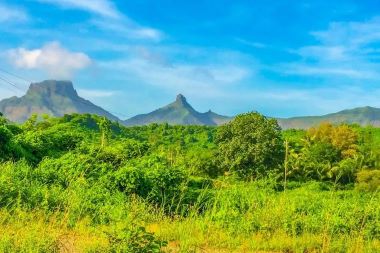
The journey offers remarkable natural attractions beyond the glacier itself. Dense oak and rhododendron forests create beautiful lower-altitude landscapes, while alpine meadows burst into color during spring.
Traditional Himalayan villages further provide fascinating cultural experiences. Stone houses, ancient temples, and welcoming locals offer insights into mountain life. That has remained largely unchanged for generations.
Higher elevations reveal towering peaks including Dunagiri, Changabang, Hathi Parvat, and Kalanka. Sunrise and sunset paint these mountains in shades of orange, pink, and gold. That further creates unforgettable moments for every trekker.
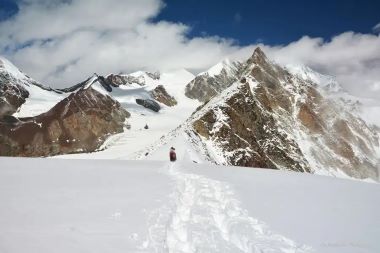
The glacier viewpoint itself showcases dramatic ice formations, rocky moraines, and expansive Himalayan panoramas. That further make every challenging step worthwhile.
Essential Packing List for the Journey
Packing smartly further enhances both comfort and safety throughout the expedition. Layered clothing works best because mountain temperatures fluctuate dramatically between day and night.
Essential gear includes waterproof trekking shoes, thermal wear, fleece jackets, down jackets, and gloves. Further, trekking poles, sunglasses, sunscreen, reusable water bottles, and rain protection are must. A comfortable backpack with rain cover also proves invaluable during changing weather.
Personal medications, energy snacks, headlamps, and power banks should never be overlooked. Since charging facilities are limited, planning electronic usage carefully is highly recommended.
Wildlife, Flora, and Natural Beauty
The surrounding landscape supports an impressive variety of Himalayan biodiversity. During spring and early summer, colorful wildflowers transform the meadows into vibrant natural gardens.
Dense forests firstly provide habitat for Himalayan birds, musk deer, Himalayan tahr, and several high-altitude species. Although wildlife sightings cannot be guaranteed, patient trekkers often observe fascinating mountain creatures from a safe distance.
The rivers, waterfalls, snowfields, and alpine grasslands together firstly create a constantly changing landscape. Every day introduces a different natural setting, making the journey visually rewarding from beginning to end.
Responsible Trekking Practices
Preserving fragile Himalayan ecosystems firstly requires responsible travel habits. Every visitor plays an important role in protecting these pristine mountain environments for future generations.
Carry reusable water bottles, avoid single-use plastics, and bring back all non-biodegradable waste. Staying on designated trails minimizes soil erosion and protects delicate alpine vegetation.
Respecting local customs also enriches the overall experience. Supporting village homestays, purchasing locally made products, and interacting politely with residents contribute positively to the regional economy.
Responsible trekking ensures that the mountains remain beautiful. It meanwhile helps to create meaningful connections between travelers and local communities.
Photography Opportunities Throughout the Trail
Photography enthusiasts find endless inspiration during this Himalayan expedition. Early mornings provide soft golden light that beautifully illuminates towering snow-covered peaks and glacier landscapes.
Traditional villages, grazing livestock, colorful prayer flags, mountain streams, and dramatic cloud formations all create stunning compositions. Wide-angle lenses meanwhile capture expansive landscapes, while telephoto lenses highlight distant Himalayan summits.
Night photography can be rewarding also. Clear mountain skies reveal thousands of stars with minimal light pollution. That further makes astrophotography an exciting possibility for prepared travelers.
Useful Tips Before Planning Your Adventure
Proper acclimatization remains one of the most important aspects of high-altitude trekking. Spending adequate time adjusting to elevation firstly helps reduce the risk of altitude-related illness.
Hiring experienced local guides improves both safety and overall experience. Their knowledge of weather, terrain, and local culture proves extremely valuable throughout the journey. Trekking with a reputed operator also ensures better logistical support.
Travel insurance, emergency contacts, and weather monitoring should be part of every trek plan. Moreover, flexibility is equally important because mountain conditions can change unexpectedly.
Careful preparation allows travelers to fully appreciate the incredible landscapes without unnecessary stress during the expedition.
Conclusion
The Bagini Glacier Trek offers an unforgettable opportunity to explore one of Uttarakhand's most spectacular Himalayan landscapes. That range from charming mountain villages and colorful alpine meadows to towering snow peaks and ancient glaciers. In other words, every stage delivers remarkable experiences.
Its peaceful environment, dramatic scenery, and cultural heritage make it ideal for adventurers looking beyond mainstream trekking destinations. You just have to do proper preparation, responsible travel practices, and respect for nature. In short, an expedition of Bagini Glacier Trek becomes far more than a trek. It becomes a deeply rewarding mountain experience that further stays with you long after returning home.
Treks Knowledge Hub brings you reliable and inspiring content on trekking destinations across India. Our editorial team is passionate about exploring trails, from the Himalayas to the Western Ghats. We aim to provide accurate guides, safety tips, and real experiences for every trekking enthusiast. Whether you're a beginner or a seasoned trekker, we help you plan smarter adventures. Discover India, one trek at a time, with our expert insights and curated knowledge.