Dzongri Trek: Scenic Himalayan Adventure in Altitudes of Sikkim
The Himalayas are a dream destination for adventurers. The Dzongri Trek nestled in the northern reaches of Sikkim lies one of its most scenic and rewarding trekking routes. Known for its high-altitude meadows, panoramic mountain views, and rich cultural heritage, this trek offers a unique Himalayan experience. That combines natural beauty with accessibility. Unlike extreme expeditions that demand technical climbing skills, the trek is moderate in difficulty. That makes it suitable for both beginners and seasoned trekkers looking for a serene yet breathtaking adventure.
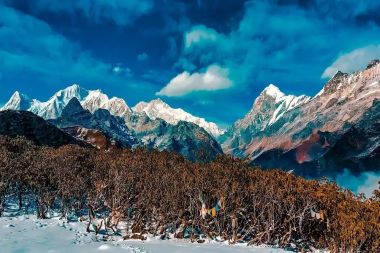
From the moment you step into Yuksom, the historic gateway town of Sikkim, you enter a new world. That offers pristine forests, meandering streams, and alpine landscapes. Every twist in the Bum La High Altitude Trek trail offers a new perspective on the Kanchenjunga range. That provides not just a physical journey but also a deeply immersive encounter with nature, culture, and tranquility.
Understanding the Significance of Dzongri Trek
The Dzongri Trek is part of the larger Goechala trekking circuit. That is celebrated for its up-close views of Kanchenjunga-the third-highest peak in the world. The trek's primary appeal lies in its combination of accessibility, natural splendor, and cultural encounters.
Key highlights include:
Stunning Himalayan Vistas
The trail opens up to Kanchenjunga, Pandim, Kabru, Rathong, and Talung peaks.
Alpine Meadows
High-altitude grasslands dotted with wildflowers, especially rhododendrons, create a painterly landscape.
Moderate Difficulty
Unlike other Himalayan treks, the Dzongri Trek is manageable for fit beginners and intermediate hikers.
Cultural Immersion
Yuksom, small monasteries, and local villages along the route offer insights into Sikkimese Buddhist traditions.
Biodiversity
Trek through forests and meadows rich in flora and fauna, including rare sightings of red pandas and Himalayan birds.
Best Time to Trek Dzongri
Timing is crucial for the Dzongri Trek exploration. As weather and visibility vary dramatically by season.
Spring (March to May)
Ideal for colorful rhododendron blooms and moderate temperatures. Clear skies provide stunning views of the peaks.
Autumn (September to November)
Crisp air and minimal cloud cover make for perfect trekking and photography conditions.
Winter (December to February)
Snowfall at higher altitudes transforms the landscape into a winter wonderland, but temperatures can drop below freezing. Suitable for experienced trekkers.
Monsoon (June to August)
Heavy rainfall can make trails slippery and dangerous; not recommended.
Planning your trek during spring or autumn ensures optimal weather, clear mountain views, and vibrant landscapes.
Yuksom: The Gateway to Dzongri
Most trekkers begin their journey from Yuksom, a historic town known as the first capital of Sikkim. Nestled at an altitude of 5500 feet, Yuksom is surrounded by lush forests, streams, and Himalayan foothills. Its historical significance stems from being the coronation site of Sikkim's first king (Chogyal) in 1642.
The town sets the tone for the Dzongri Trek, blending history, culture, and natural beauty. That make it a memorable starting point.
Dzongri Trek Route Overview
This trek is typically completed over 5-6 days, allowing time for acclimatization and exploration. While the overall distance is manageable, altitude and terrain make pacing and preparation critical.
Day 1: Yuksom to Sachen
The trail begins in Yuksom, passing through dense forests of oak, magnolia, and rhododendron. Trekkers cross streams and small villages before reaching Sachen, where the first campsite awaits. This day sets the tone for the trek, introducing the changing landscape and gradually increasing elevation.
Day 2: Sachen to Tshoka
The trail becomes steeper and more rugged as you ascend to Tshoka. Along the way, rhododendron forests dominate the landscape, especially in spring. The campsite at Tshoka offers basic facilities and stunning sunset views over distant peaks.
Day 3: Tshoka to Dzongri
This is the most iconic stretch, leading through alpine meadows and open slopes to Dzongri Top. That sits at around 13670 feet. From this vantage point, trekkers witness a 360-degree panorama of Kanchenjunga, Pandim, and Kabru. The open meadows are ideal for camping, photography, and simply soaking in the Himalayan grandeur.
Day 4: Acclimatization and Optional Hikes
Spend the day acclimatizing and exploring nearby trails. Short hikes to higher vantage points provide more intimate views of Kanchenjunga and surrounding peaks. This day ensures your body adjusts to high altitude before moving on or returning.
Day 5: Dzongri to Yuksom
The return journey retraces the trail back to Yuksom. While downhill trekking is easier on the lungs, caution is advised for knees and ankles. Along the way, trekkers enjoy the changing scenery, farewell views of the peaks, and a sense of accomplishment.
Understanding Altitude and Acclimatization
The trek reaches altitudes over 13000 feet, where oxygen levels decrease. Altitude sickness can be mild or severe depending on the individual and pace.
With proper preparation, altitude poses minimal risk, allowing you to enjoy the natural splendor of the Himalayas safely.
Flora and Fauna on the Dzongri Trek
The Dzongri trail passes through some of the richest biodiversity zones in the Eastern Himalayas.
The biodiversity makes each day on the trail a unique exploration, blending adventure with nature appreciation.
Cultural and Spiritual Significance
The Dzongri trail is not just about natural beauty-it also offers cultural insights:.
Prayer Flags
Colors symbolize elements and spiritual blessings, fluttering in the wind along trails and camps.
Monasteries
Small Buddhist monasteries along the route offer spiritual respite and a glimpse into local practices.
Local Villages
Interactions with Sikkimese communities reveal their customs, attire, and festivals.
Historical Landmarks
Yuksom's coronation site and ancient pathways connect trekkers to Sikkimese history.
Respecting local customs-removing shoes near shrines, maintaining silence, and following guide instructions-enhances the trekking experience.
Meditation
Quiet moments in alpine meadows provide mental clarity and peace.
Such mindfulness turns a trek into a transformative life experience, leaving a lasting impression beyond scenic views.
Conclusion: The Ultimate Himalayan Experience
The Dzongri Trek is a perfect blend of adventure, natural beauty, and cultural richness. From dense forests and rhododendron blooms to alpine meadows and awe-inspiring peaks, each step reveals the majesty of Sikkim's Himalayas. With proper preparation, respect for local culture, and an appreciation for nature, trekkers embark on an unforgettable journey. That nourishes the body, mind, and soul. Whether you seek breathtaking landscapes, peaceful solitude, or immersive cultural encounters, this trek promises a Himalayan adventure that is as enriching as it is scenic.
Treks Knowledge Hub brings you reliable and inspiring content on trekking destinations across India. Our editorial team is passionate about exploring trails, from the Himalayas to the Western Ghats. We aim to provide accurate guides, safety tips, and real experiences for every trekking enthusiast. Whether you're a beginner or a seasoned trekker, we help you plan smarter adventures. Discover India, one trek at a time, with our expert insights and curated knowledge.