Har Ki Dun Trek: An unforgettable journey to the Valley of Gods
Tucked away in the remote folds of Uttarakhand's Garhwal Himalayas lies a valley that feels untouched by hurry. The Har Ki Dun Trek invites travelers into a landscape shaped by glaciers, legends, and generations of mountain life. Known as the Valley of Gods, this trail offers a rare balance of natural beauty and cultural depth. Instead of dramatic climbs alone, it rewards patience, curiosity, and mindful walking. From forested paths to wide alpine bowls, the journey feels gentle yet deeply immersive, making it one of the most meaningful Himalayan experiences.
1. The Geographical Charm of the Valley of Gods
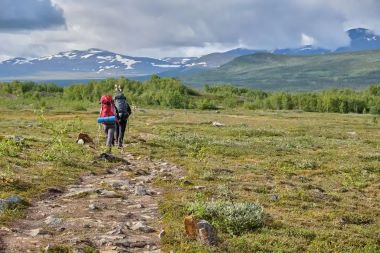
Har Ki Dun is a cradle-shaped valley resting at the confluence of ancient mountain routes. Surrounded by Swargarohini, Bandarpoonch, and Black Peak, the region opens into broad meadows framed by snow-lined ridges. Rivers born from glaciers carve soft curves through the valley floor. Unlike narrow gorges, this open Brahmatal Winter Trek terrain creates a sense of space and calm. Trekkers often describe a feeling of openness, both in the landscape and within themselves, as they walk deeper into the valley.
2. Mythology That Still Breathes in the Mountains
The Valley of Gods carries stories older than written history. According to local belief, the Pandavas traveled through this region on their final journey to heaven. The name itself reflects this legend. Shrines, folk songs, and village rituals continue to honor these stories. Rather than existing as distant myths, these beliefs remain woven into daily life. Walking the trail feels like stepping into a living epic, where spirituality quietly shapes the rhythm of the land.
3. Forest Trails That Whisper with Life
The lower sections of the Har Ki Dun Trek pass through dense Himalayan forests. Towering deodar, pine, and oak trees create shaded corridors. Sunlight filters through leaves, forming shifting patterns on the ground. Birdsong fills the air, replacing the noise of modern life. In spring, wildflowers dot the forest floor. These sections are not rushed. They allow trekkers to adjust their pace, breathing, and mindset before entering higher terrain.
4. Alpine Meadows and Expansive Views
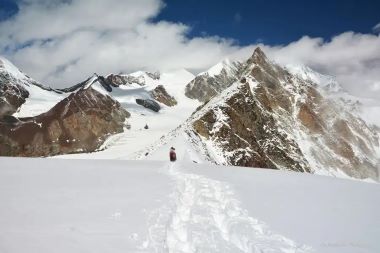
As altitude increases, forests slowly open into wide alpine meadows. Grasslands stretch far, broken only by streams and grazing sheep. These meadows feel ancient and peaceful. Snow peaks appear closer, sharper, and more defined. During early summer, patches of snow remain scattered across the slopes. The contrast between green pastures and white summits creates postcard-like scenes. Many trekkers pause often here, not from exhaustion, but from awe.
5. Remote Villages Preserving Himalayan Heritage
Villages like Taluka and Osla are integral to the Har Ki Dun Trek journey. Built almost entirely from wood and stone, these settlements reflect centuries-old architectural wisdom. Carved balconies, sloping roofs, and compact layouts protect homes from harsh winters. Farming and animal husbandry still form the backbone of life here. Visitors are often welcomed with warm smiles and simple hospitality. These interactions feel genuine, not staged, offering insight into a lifestyle shaped by mountains and seasons.
6. Osla Village and Its Unique Cultural Identity
Osla deserves special attention for its distinct traditions. The village is known for its temple dedicated to Someshwar, associated with Duryodhana. This belief is rare and deeply respected locally. Festivals, dances, and rituals follow an old calendar tied to agricultural cycles. Wooden carvings on homes and temples display remarkable craftsmanship. Spending time here adds cultural richness to the journey, reminding trekkers that mountains shape belief as much as terrain.
7. Rivers, Glaciers, and the Sound of Water
Water defines this valley. Snowmelt feeds countless streams that merge into the Supin River. The constant sound of flowing water accompanies trekkers throughout the route. Crossing wooden bridges becomes a regular and enjoyable experience of Har Ki Dun Trek. Glacial origins of these rivers are visible in their clarity and chill. Water not only sustains life here but also adds movement and sound to an otherwise quiet landscape, enhancing the sensory experience.
8. Wildlife and Natural Balance
The valley lies within a protected wildlife region. While sightings are never guaranteed, the ecosystem feels alive. Himalayan birds soar overhead, and hoof prints often appear along trails. Early mornings sometimes reveal animals grazing at a distance. Flora changes with altitude, creating distinct ecological zones. This balance between wildlife and human presence feels respectful. Trekkers become observers rather than intruders, which deepens appreciation for conservation.
9. A Trek That Builds Confidence Gradually
This journey of Har Ki Dun Trek is considered moderate, making it ideal for those new to Himalayan trekking. Gradual ascents reduce strain, allowing the body to adapt naturally. Daily walking hours remain reasonable, leaving time to enjoy surroundings. While altitude is noticeable, careful pacing ensures comfort. The trail teaches patience rather than endurance alone. By the end, trekkers often feel stronger and more confident, both physically and mentally.
10. Seasonal Moods of the Valley
Each season reshapes the valley's character. Spring brings fresh greenery and blooming flowers. Summer offers clear paths and pleasant temperatures. Autumn paints forests in warm tones and provides sharp mountain views. Winter transforms the region into a snow-covered wonderland, though access becomes limited. Choosing the right season affects not only safety but also the emotional tone of the experience. Every visit feels different, yet equally memorable.
11. Campsites That Encourage Reflection
Camping in this valley feels intimate and calm. Campsites sit in open meadows or near rivers, offering uninterrupted views of the sky. Nights are quiet, broken only by wind or flowing water. Stars appear brighter due to minimal light pollution. Campfires become gathering points for shared stories. These moments slow time and create space for reflection, often becoming the most cherished part of the journey.
12. Food, Simplicity, and Mountain Energy
Meals on the trail are simple yet nourishing. Local ingredients and warm dishes provide energy after long walks. Eating together fosters camaraderie among trekkers. Tea breaks become moments of rest and connection. The simplicity of food mirrors the simplicity of life in the valley. This return to basics often leaves a lasting impression, reminding travelers of how little is needed to feel content.
13. Responsible Travel in Fragile Landscapes
Preserving this valley requires mindful behavior. Carrying back waste and avoiding plastic is essential. Respecting village customs builds trust and mutual respect. Staying on marked trails protects vegetation. Hiring local guides supports livelihoods and keeps traditional knowledge alive. Responsible trekking ensures that this landscape remains pristine for future generations, maintaining its spiritual and natural integrity.
14. Emotional Rewards Beyond the Physical Journey
What sets the Har Ki Dun Trek apart is its emotional impact. The slow pace encourages introspection. Silence becomes comfortable rather than awkward. Many trekkers describe a sense of grounding and clarity. The absence of constant connectivity allows deeper engagement with surroundings and companions. This emotional reset often stays with travelers long after they return home.
15. Why This Valley Leaves a Lasting Mark
The Har Ki Dun Trek is not about conquering peaks. It is about understanding mountains as living spaces. Culture, nature, and myth coexist here without conflict. The journey teaches humility and patience. It offers beauty without spectacle and depth without drama. This balance is rare and precious, making the experience truly unforgettable.
Conclusion: A Journey That Resonates Long After
Walking through the Valley of Gods feels like stepping into a quieter world. From ancient villages to expansive meadows, every element contributes to a sense of harmony. The Har Ki Dun Trek stands out for its ability to connect people with nature and heritage simultaneously. It rewards those who walk slowly and observe deeply. Long after the trail ends, the memories remain vivid, reminding travelers that some journeys change how we see the world, and ourselves.

Treks Knowledge Hub brings you reliable and inspiring content on trekking destinations across India. Our editorial team is passionate about exploring trails, from the Himalayas to the Western Ghats. We aim to provide accurate guides, safety tips, and real experiences for every trekking enthusiast. Whether you're a beginner or a seasoned trekker, we help you plan smarter adventures. Discover India, one trek at a time, with our expert insights and curated knowledge.