Kanchenjunga Base Camp Trek: A Journey to the Roof of the World
Far away from busy trails and crowded viewpoints lies a Himalayan world that feels almost forgotten. The Kanchenjunga Base Camp Trek is not about luxury or quick rewards. It is about immersion. In eastern Nepal, close to the borders of India and Tibet, rises Kanchenjunga, the third-highest mountain on Earth. This region attracts trekkers who value silence, authenticity, and raw landscapes. Every day unfolds slowly, shaped by terrain, weather, and local life. For those seeking a deeper mountain experience, this journey offers unmatched emotional and natural richness.
The Geographic Grandeur of Kanchenjunga
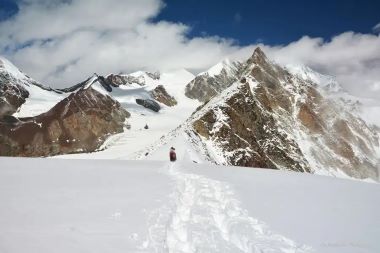
Kanchenjunga dominates the eastern Himalayas with five distinct peaks. Massive glaciers spill into wide valleys below. Snowfields stretch endlessly under changing skies. The mountain's scale feels overwhelming yet calming. Unlike central Nepal, this region remains sparsely developed. Roads end far below the trailheads. Human presence fades as altitude increases. This isolation preserves the dramatic geography. Rivers run wild and unregulated. Forests grow thick and untouched. The sense of entering a hidden world defines the entire trek.
Spiritual Importance and Local Beliefs
Kanchenjunga is considered sacred by local communities. Many believe the mountain is home to protective deities. Out of respect, climbers traditionally stop short of the true summit. This belief system influences daily life in surrounding villages. Prayer flags flutter along trails and ridgelines. Mani stones carved with mantras line the paths. Monasteries serve as spiritual centers. Trekking here requires cultural sensitivity. Respecting traditions deepens the connection to the region and its people.
Why This Region Remains Untouched
Strict regulations limited access for decades. The area was classified as restricted to protect borders and culture. As a result, mass tourism never developed. Even today, permits and guides are mandatory. Infrastructure remains minimal. This controlled access preserved natural habitats and traditions. Trails feel authentic and unpolished. Encounters with other trekkers are rare. For many, this sense of remoteness is the greatest reward.
Best Seasons for Clear Views and Safe Trails
For trekking to Kanchenjunga Base Camp Trek timing matters greatly in eastern Nepal. Spring brings life back to the mountains. Rhododendron forests bloom in vivid reds and pinks. Temperatures remain moderate at lower elevations. Autumn offers the clearest mountain views. Skies turn deep blue after the monsoon. Days feel crisp and stable. Winter brings heavy snowfall and extreme cold. Many high passes become inaccessible. Monsoon season creates slippery trails and frequent landslides. Choosing spring or autumn ensures safety and scenic beauty.
The Journey Begins: Trailhead and Early Days
Most itineraries for Kanchenjunga Base Camp Trek start with a flight or long drive to eastern Nepal. Small towns mark the final access points. From there, walking begins through cultivated valleys. Terraced fields cling to hillsides. Villagers work in fields as they have for generations. Trails pass through bamboo groves and cardamom farms. Early days feel gentle. Altitude gain remains gradual. This phase allows the body to adapt while revealing rural Himalayan life.
Forests, Rivers, and Changing Landscapes
As the trail climbs, forests grow denser. Oak, pine, and rhododendron trees dominate the slopes. Birdsong echoes through the canopy. Suspension bridges sway above roaring rivers. Glacial streams cut through narrow gorges. Each day brings visible environmental change. Vegetation thins with altitude. Trees give way to shrubs and open meadows. Snow peaks begin to dominate the skyline. This constant transformation keeps the journey engaging.
Life in Remote Mountain Villages
Villages along the route feel deeply traditional. Stone houses cluster together for warmth. Smoke rises from wood-fired kitchens. Communities belong to Limbu, Rai, and Tibetan cultures. Languages and customs vary between valleys. Hospitality remains genuine and understated. Tea houses offer basic lodging and meals. Evenings are quiet. Conversations happen by candlelight. These interactions provide insight into mountain resilience and simplicity.
Food and Nutrition on the Trail
Meals focus on warmth and energy. Dal bhat remains the primary staple. Rice, lentils, and vegetables provide sustained fuel. Noodles and soups are common at higher camps. As altitude increases, menu options reduce. Fresh produce becomes scarce. Guides plan meals carefully. Proper nutrition supports acclimatization and stamina. Warm drinks help combat cold temperatures and dehydration. Eating well becomes part of daily discipline.
Physical Demands and Mental Preparation
The Kanchenjunga Base Camp Trek challenges both body and mind. Daily distances may seem moderate, but altitude intensifies effort. Trails are often steep and uneven. Weather can shift suddenly. Cold mornings test motivation. Mental resilience matters greatly. Patience is essential during long ascents. Prior trekking experience helps. Cardiovascular training improves endurance. Strength training reduces injury risk. Preparation builds confidence for demanding days ahead.
Altitude Awareness and Acclimatization
High altitude requires respect. The body needs time to adjust to thinner air. Gradual ascent reduces risk of sickness. Rest days are built into itineraries. Hydration supports oxygen circulation. Guides monitor symptoms closely. Headaches and fatigue are common early signs. Listening to the body prevents serious complications. Proper acclimatization ensures a safer and more enjoyable experience.
Wildlife Encounters and Natural Diversity
This region hosts remarkable biodiversity. Red pandas inhabit dense forests. Musk deer and Himalayan thar roam higher slopes. Snow leopards remain hidden but present. Birdlife is abundant at lower elevations. The conservation area protects fragile ecosystems. Trekking responsibly minimizes disturbance. Observing wildlife from a distance preserves balance. Nature here feels alive and untamed.
Approaching the High Camps and Glaciers
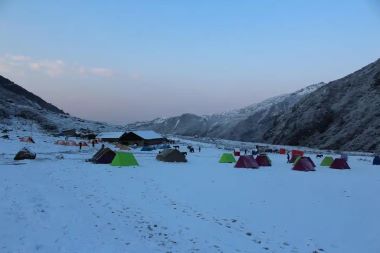
Higher camps feel stark and dramatic. Vegetation nearly disappears. Wind shapes the landscape. Glaciers stretch across valleys like frozen rivers. Moraines mark ancient ice movement. Campsites feel exposed and vast. Silence dominates the evenings. Stars appear intensely bright at night. These moments feel humbling. The mountains command full attention.
Understanding Permits and Local Regulations
The region requires special documentation. Restricted area permits regulate access. A licensed guide is mandatory. Group requirements apply. Conservation fees support environmental protection. These regulations maintain sustainability. Planning through experienced operators simplifies logistics. Proper preparation avoids delays and complications on the trail.
Responsible Trekking and Environmental Care
Preserving this region is a shared responsibility. Waste management is critical. Carrying reusable bottles reduces plastic use. Respecting wildlife habitats protects biodiversity. Supporting local tea houses sustains communities. Cultural respect strengthens relationships. Responsible trekking ensures future generations experience the same untouched beauty.
Weather Challenges and Safety Measures
Weather shifts quickly in high mountains. Clear mornings can turn stormy by afternoon. Proper layering is essential. Windproof clothing protects against sudden cold. Guides track forecasts closely. Flexibility in planning improves safety. Accepting delays becomes part of the journey. Caution always outweighs speed in remote terrain.
The Emotional Impact of Remote Trekking
Isolation changes perspective. Without modern distractions, awareness sharpens. Simple routines gain meaning. Conversations deepen. The mountains feel alive and watchful. Many trekkers describe a sense of clarity. The journey of Kanchenjunga Base Camp Trek becomes introspective. Emotional growth often matches physical achievement.
Final Reflections on a Rare Himalayan Experience
This adventure rewards patience and humility. The Kanchenjunga Base Camp Trek offers more than scenery. It offers depth, silence, and cultural richness. Few journeys demand such commitment while giving so much in return. Those who walk these trails carry lasting memories. The mountains leave an imprint that time cannot erase.
Treks Knowledge Hub brings you reliable and inspiring content on trekking destinations across India. Our editorial team is passionate about exploring trails, from the Himalayas to the Western Ghats. We aim to provide accurate guides, safety tips, and real experiences for every trekking enthusiast. Whether you're a beginner or a seasoned trekker, we help you plan smarter adventures. Discover India, one trek at a time, with our expert insights and curated knowledge.