Kudremukh Trek: A Scenic and Thrilling Adventure in Western Ghats
Tucked deep within Karnataka's lush Western Ghats lies a trail that feels both wild and welcoming. The Kudremukh Trek draws nature lovers, photographers, and adventure seekers who want more than just a mountain climb. This journey unfolds slowly, revealing rolling meadows, mist-laden forests, and distant ridgelines that seem to stretch forever. Unlike crowded hill destinations, this landscape invites silence and observation. Every step offers a deeper connection with nature, making the experience feel personal and grounding. It is not about speed or conquest. It is about presence, rhythm, and discovery.
1. Understanding Kudremukh and Its Geographic Significance
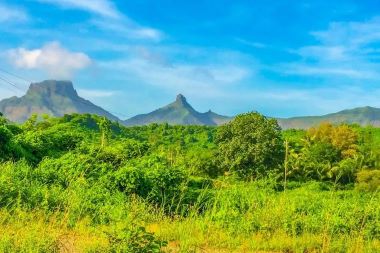
Kudremukh sits in the Chikkamagaluru district of Karnataka, within a protected national park. The region forms part of the Western Ghats, one of the world's most important biodiversity hotspots. The mountain's name, meaning “horse face”, comes from its unique silhouette when viewed from certain angles. This area once hosted mining activity, but conservation efforts restored its ecological balance. Today, it stands as a symbol of coexistence between humans and wilderness. Trekkers here walk through a living classroom of geology, climate, and ecology.
2. The Ever-Changing Landscape Along the Trail
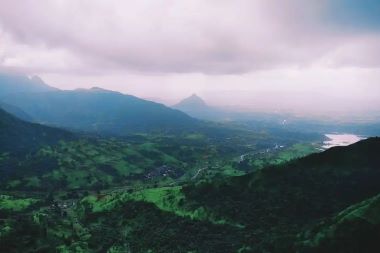
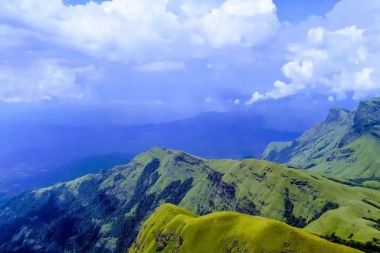
What makes the Kudremukh Trek exceptional is its diversity. Lower sections pass through dense shola forests, where ancient trees form natural tunnels of shade. Higher up, the forest opens into vast grasslands that sway with the wind. These meadows glow emerald during monsoon and golden during drier months. Streams cross the path at several points, adding a playful challenge. The constant change in scenery keeps fatigue away. Each turn reveals a new visual reward, making the hike feel shorter than it is.
3. Trail Distance, Route, and Difficulty Explained
The total distance of this hike is approximately 20 kilometers round trip. It is classified as moderate, making it accessible to beginners with reasonable fitness. The ascent is gradual for most parts, though the final stretch demands steady effort. The Kudremukh Trek is well-defined, reducing chances of getting lost. While technical climbing skills are unnecessary, endurance matters. The terrain tests patience rather than strength, rewarding those who maintain a consistent pace.
4. Best Season to Experience the Trail at Its Best
Choosing the right time shapes your Kudremukh Trek experience. Post-monsoon months, from September to February, offer lush views and cooler temperatures. The hills remain vibrant, and visibility improves. Monsoon season transforms the region into a green paradise, though trails become slippery. Leeches are common then, requiring extra care. Summer months bring clearer paths but warmer conditions. Each season has charm, yet safety and comfort peak during cooler, drier months.
5. Entry Permits and National Park Regulations
Since the trail lies inside a national park, entry permits are mandatory. Authorities limit daily visitors to protect fragile ecosystems. Permits are issued at the forest office near the base village. Rules are strict but necessary. Plastic items are prohibited, and littering attracts fines. Trekkers must respect these guidelines to ensure minimal environmental impact. These measures help maintain the area's pristine condition and biodiversity.
6. Reaching the Base Village and Starting the Hike
Most treks begin from Mullodi village, a small settlement surrounded by hills and forests. Accessing Mullodi involves a forest jeep ride, which adds excitement before the hike even starts. Chikkamagaluru serves as the nearest major town with good connectivity. From there, travelers arrange transport to reach the forest checkpoint. Early arrival is recommended, as entry timings are regulated. Planning logistics ahead ensures a smooth start.
7. Packing Essentials for a Safe and Comfortable Journey
Preparation plays a crucial role in enjoyment. Comfortable trekking shoes with strong grip are essential. Clothing should be lightweight and quick-drying. A rain jacket is useful even outside monsoon months. Carry enough water, as refilling options are limited. Energy snacks like nuts and fruits help maintain stamina. Trekking poles reduce strain during descents. A compact first-aid kit adds peace of mind.
8. Physical and Mental Preparation Before the Trek
Basic fitness training enhances the experience significantly. Regular walks, stair climbing, or cycling build endurance. Stretching exercises improve flexibility and reduce injury risk. Mental preparation matters equally. Weather conditions can change quickly, requiring adaptability. Accepting a slower pace helps conserve energy. Listening to your body ensures safety and enjoyment throughout the hike.
9. Flora and Fauna of the Kudremukh Region
This region supports rich biodiversity. Shola forests host endemic plants and medicinal herbs. During certain seasons, wildflowers carpet the meadows. Wildlife sightings may include deer, wild boar, and Malabar giant squirrels. Bird enthusiasts often hear distinctive calls echoing across valleys. Though sightings are never guaranteed, the presence of life is felt everywhere. Observing from a distance respects natural boundaries.
10. Weather Patterns and On-Trail Challenges
Weather here is unpredictable. Mornings often start clear, with clouds rolling in by afternoon. Sudden rain showers are common, especially during monsoon months. Slippery paths and stream crossings demand caution. Leeches appear in wet conditions but pose no serious harm. Carrying salt or repellent helps. Being prepared for these challenges turns obstacles into part of the adventure.
11. The Summit Moment and Scenic Rewards
The final stretch opens into expansive grasslands leading to the summit. Reaching the top feels surreal. Wind sweeps across the ridge, carrying mist and silence. On clear days, layers of hills unfold endlessly. Many trekkers pause here, soaking in the moment rather than rushing down. The summit offers perspective, reminding visitors of nature's scale and serenity.
12. Photography and Mindful Exploration Tips
This trail is a photographer's dream. Early mornings provide soft light and dramatic clouds. Wide-angle lenses capture rolling meadows beautifully. However, mindfulness matters. Avoid stepping off trails for shots. Patience often yields better images than haste. Sometimes, simply observing without a camera creates the strongest memory. Balance documentation with presence.
13. Responsible Trekking and Conservation Ethics
Sustainability defines the future of this region. Carry back all waste, including organic scraps. Stick to designated paths to protect vegetation. Avoid loud noises that disturb wildlife. Responsible behavior ensures that the Kudremukh Trek remains unspoiled. Each trekker becomes a temporary guardian of this landscape, contributing to its preservation.
Conclusion: A Trek That Stays with You
The Kudremukh Trek offers more than scenic beauty. It delivers lessons in patience, respect, and balance. From forest trails to open meadows, every section feels thoughtfully connected. The journey leaves trekkers refreshed, humbled, and inspired. For those seeking an authentic Western Ghats experience, this adventure promises memories that linger long after the trail ends.

Treks Knowledge Hub brings you reliable and inspiring content on trekking destinations across India. Our editorial team is passionate about exploring trails, from the Himalayas to the Western Ghats. We aim to provide accurate guides, safety tips, and real experiences for every trekking enthusiast. Whether you're a beginner or a seasoned trekker, we help you plan smarter adventures. Discover India, one trek at a time, with our expert insights and curated knowledge.