Nanda Devi East Base Camp Trek: A Remote Himalayan Adventure
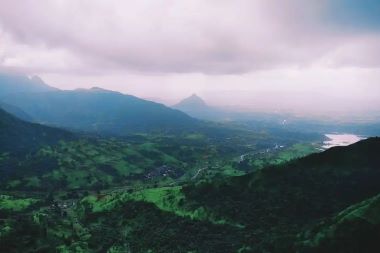
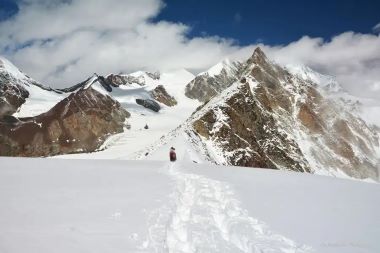
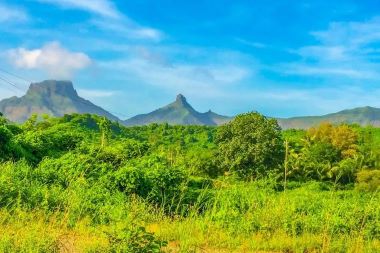
Hidden deep within Uttarakhand's Kumaon Himalayas, the Nanda Devi East Base Camp Trek is a journey for those who value authenticity over comfort. This trail does not promise luxury or convenience. Instead, it offers silence, scale, and a rare sense of isolation. The mountains feel closer here. The valleys feel untouched. Every step carries the weight of history, belief, and wilderness.
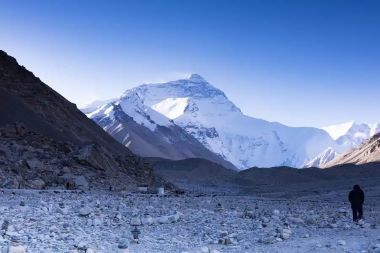
The Nanda Devi East Base Camp Trek is not about ticking off destinations. It is about slowing down. It allows trekkers to disconnect from modern noise and reconnect with nature's rhythm. The experience feels raw and deeply personal, especially for those who seek meaning beyond scenic photographs.
Nanda Devi: More Than a Mountain
Nanda Devi is not viewed as just a peak. For local communities, she is a living goddess. Her presence defines the spiritual identity of the region. Stories of protection, punishment, and blessing surround the mountain. These beliefs shape daily life in surrounding villages.
Trekkers often notice shrines placed along paths and prayer flags fluttering in the wind. These are not decorative symbols. They represent respect and fear combined. Walking toward the mountain feels like entering sacred space, where humility becomes essential.
Why This Trek Is Truly Different
Many Himalayan treks offer beauty. Few offer isolation at this level. The Nanda Devi East Base Camp Trek remains largely untouched due to strict regulations and challenging terrain. The lack of crowds creates a sense of exclusivity without artificial barriers.
Days may pass without seeing another trekking group. Silence becomes constant. Even experienced trekkers find this solitude transformative. It encourages mindfulness and self-awareness. The absence of distraction sharpens observation and deepens appreciation for the landscape.
Understanding the Remote Kumaon Region
Kumaon feels different from other Himalayan regions. The valleys are wider. Villages are fewer. Infrastructure remains minimal. This has preserved cultural traditions and environmental balance.
The region's remoteness once made survival difficult. Today, it offers rare authenticity. Terraced fields, seasonal migration, and livestock farming dominate life here. Trekkers witness a slower pace shaped by altitude and weather rather than schedules.
Seasonal Changes and Their Impact on the Trail
Seasons dramatically alter the trekking experience. Summer brings color and life. Meadows bloom briefly, creating vibrant contrasts against rocky slopes. Streams run clearer and safer during this period.
Autumn introduces crisp air and golden light. Mountain views sharpen after the monsoon clears dust from the atmosphere. Temperatures drop quickly at night. Understanding these shifts helps trekkers plan clothing, pacing, and acclimatization effectively.
Trail Progression and Daily Rhythm
The journey unfolds gradually. Early days involve forested trails and village paths. Gradual elevation gain allows the body to adapt. Rivers appear frequently, fed by distant glaciers.
As altitude increases, tree lines fade. Terrain becomes rugged and expansive. Walking hours lengthen. Campsites feel more exposed. The changing rhythm keeps the trek mentally engaging and physically demanding.
Life in High-Altitude Settlements
Villages along the Nanda Devi East Base Camp Trek feel frozen in time. Houses are built from stone and wood, designed to withstand harsh winters. Daily routines revolve around weather and livestock.
Hospitality is quiet but sincere. Meals are simple, often prepared from locally grown produce. Conversations are brief yet meaningful. These interactions offer insight into resilience and adaptability shaped by generations of mountain living.
Ancient Trade Routes and Historical Significance
The trail follows paths once used by traders and shepherds. These routes connected remote valleys long before modern roads existed. Signs of this history remain visible in old stone bridges and resting shelters.
Walking these paths feels like stepping into another era. Trekkers become part of a long continuum of travelers who relied on the mountains for survival rather than recreation.
Natural Silence and Psychological Shifts
Extended silence affects perception. Sounds become sharper. Wind, water, and footsteps dominate awareness. Many trekkers report heightened clarity during the journey.
Without digital distractions, the mind settles into a slower rhythm. Reflection becomes natural. This psychological shift often becomes the most unexpected reward of the trek.
Flora Across Changing Altitudes
Vegetation evolves with elevation. Lower forests host pine and oak species. Rhododendrons bloom seasonally, adding bursts of color. Higher altitudes support hardy shrubs and alpine grasses.
Medicinal plants grow naturally, protected by local knowledge. Their presence reflects ecological balance maintained through limited access and traditional practices.
Wildlife Encounters in a Protected Landscape
The region supports diverse wildlife due to minimal human interference. Blue sheep are commonly spotted grazing on steep slopes. Himalayan birds add movement and sound to otherwise quiet landscapes.
Predators remain elusive but present. Their existence reinforces the wilderness character of the region. Trekkers are reminded that they are visitors, not owners, of this terrain.
Physical Preparation and Endurance
The Nanda Devi East Base Camp Trek demands consistent effort. Long walking days test stamina. Uneven terrain challenges balance. Thin air affects breathing and recovery.
Prior trekking experience helps significantly. Cardiovascular fitness reduces fatigue. Mental preparation matters equally. Accepting discomfort and adapting to changing conditions ensures a safer and more rewarding journey.
Acclimatization and Altitude Awareness
Altitude sickness is a real risk. Gradual ascent reduces danger. Rest days are essential, not optional. Hydration and nutrition play key roles in adaptation.
Listening to the body prevents serious issues. Ignoring symptoms can end the trek prematurely. Awareness and patience protect both health and morale.
Gear Choices for Remote Conditions
Packing decisions directly affect comfort. Lightweight layers help regulate body temperature. Waterproof gear protects against sudden weather changes.
Reliable footwear prevents injuries on rocky paths. Sleeping systems must handle freezing nights. Since replacements are unavailable, quality gear becomes critical to safety.
Food, Fuel, and Energy Management
Meals focus on nutrition rather than variety. Carbohydrates provide energy for long days. Warm meals improve morale during cold evenings.
Fuel management is crucial due to altitude and wind. Efficient cooking systems save time and resources. Simple routines reduce fatigue and improve recovery.
Permits and Restricted Access Rules
Access to the region requires official permits. Regulations limit group size and camping zones. These controls protect fragile ecosystems and cultural sites.
Trekkers must respect all guidelines. Non-compliance affects future access for everyone. Responsible trekking ensures long-term preservation of the region.
Environmental Ethics on the Trail
Waste management is strictly enforced. Everything carried in must be carried out. Campsites must be left untouched.
Respecting nature here feels instinctive. The environment's fragility becomes obvious. Ethical behavior aligns naturally with the spirit of the trek.
Emotional Rewards Beyond the Summit
Reaching base camp brings satisfaction, but the journey offers more. The sense of scale humbles even seasoned trekkers. Small achievements feel significant.
Many return with renewed respect for simplicity. The experience often reshapes priorities long after returning home.
Why This Trek Leaves a Lasting Impact
This journey changes perception. It reveals how little is needed for fulfillment. It highlights the power of patience and persistence.
The mountains do not entertain. They challenge quietly. Those who accept this find the experience deeply rewarding.
Final Thoughts on This Remote Himalayan Journey
The Nanda Devi East Base Camp Trek is not for everyone. It demands preparation, humility, and respect for nature. In return, it offers solitude, authenticity, and emotional depth.
For trekkers seeking untouched landscapes and meaningful adventure, this journey of Nanda Devi East Base Camp Trek stands apart. It remains one of the Himalayas' most profound experiences, rewarding those willing to walk slowly and listen deeply.
Treks Knowledge Hub brings you reliable and inspiring content on trekking destinations across India. Our editorial team is passionate about exploring trails, from the Himalayas to the Western Ghats. We aim to provide accurate guides, safety tips, and real experiences for every trekking enthusiast. Whether you're a beginner or a seasoned trekker, we help you plan smarter adventures. Discover India, one trek at a time, with our expert insights and curated knowledge.