Phalut Trek: Breathtaking Views of Kanchenjunga Eastern Himalayas
The Phalut Trek is hidden deep within the Eastern Himalayas. This trek firstly offers an unforgettable blend of mountain scenery, peaceful forests, and dramatic Himalayan landscapes. The trekking route stretches across the Singalila Ridge near the borders of West Bengal, Sikkim, and Nepal. Unlike many crowded Himalayan trails, the region remains calm and untouched, making it perfect for trekkers seeking raw natural beauty and solitude. The journey introduces changing landscapes filled with rhododendron forests, alpine meadows, traditional villages, and breathtaking mountain viewpoints.
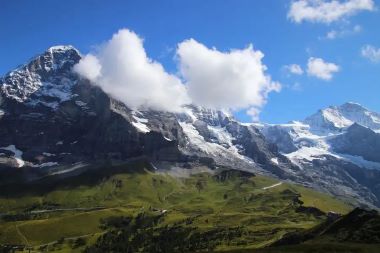
The trek is especially famous for its panoramic views of Kanchenjunga, the third-highest mountain in the world. During clear mornings, trekkers can also witness Everest, Lhotse, and Makalu standing proudly across the Himalayan horizon. Every section of the trail feels visually rewarding because the scenery changes constantly with altitude. The route also showcases local Himalayan culture, warm hospitality, and traditional mountain lifestyles. That meanwhile enrich the overall trekking experience.
For adventure enthusiasts, photographers, and nature lovers, this Himalayan route is perfect. The Phalut trek route and tips firstly delivers the perfect balance between scenic beauty and moderate physical challenge. It's peaceful atmosphere and unforgettable mountain views create memories that remain long after the journey ends.
Why the Eastern Himalayas Feel Unique
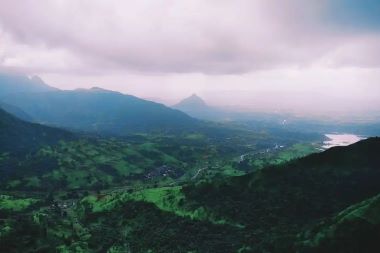
The Eastern Himalayas possess a completely different personality compared to the western Himalayan regions of India. At Singalila Trekking Route, the mountains appear greener, more vibrant, and heavily forested throughout the year. Thick bamboo groves, ancient pine forests, and colorful rhododendron valleys dominate the landscape, creating a magical trekking environment. Mist often rolls across the hills during mornings. That further add dramatic beauty to the mountain scenery and making the entire region feel untouched by modern urban development.
Another unique aspect of Phalut Trek involves the biodiversity found across the trekking route. The forests support rare Himalayan wildlife and numerous bird species rarely seen elsewhere. During spring, blooming rhododendrons cover entire hillsides with shades of red, pink, and white. This colorful transformation attracts photographers and nature enthusiasts from different parts of the country. The changing scenery further keeps trekkers visually engaged throughout the entire expedition.
The peaceful atmosphere of Phalut Trek also separates this region from many commercial trekking destinations. Here, the trails remain relatively uncrowded even during peak trekking months. Instead of noisy tourist activity, trekkers experience silence, fresh mountain air, and uninterrupted Himalayan views. Above all, this tranquility becomes one of the most memorable aspects of the journey.
Best Time to Plan the Trek
Selecting the right season plays an important role in determining the quality of the Phalut Trek experience. Weather conditions in the Himalayas change rapidly, especially at higher elevations. However, spring and autumn remain the most preferred seasons because they offer stable conditions and clear mountain visibility. These months also provide comfortable daytime temperatures for long walking hours along the ridge trails and forest sections.
Spring, which usually extends from March to May, transforms the region into a colorful paradise. Rhododendron flowers bloom across the forests, creating vibrant landscapes that appear almost unreal. The skies generally remain clear during mornings, allowing uninterrupted views of Kanchenjunga and neighboring Himalayan peaks. Temperatures stay pleasant during daytime trekking. But, nights can still become quite cold at higher campsites and resting points.
Autumn, between October and November, is another excellent period for visiting the Phalut Trek. The monsoon rains clear the atmosphere completely, producing crisp mountain views and exceptionally sharp visibility. Snow-covered peaks look especially stunning during sunrise hours when golden light touches the mountain ranges. Many photographers prefer autumn because the weather remains stable and the Himalayan scenery appears dramatically clear.
Scenic Highlights Across the Trail
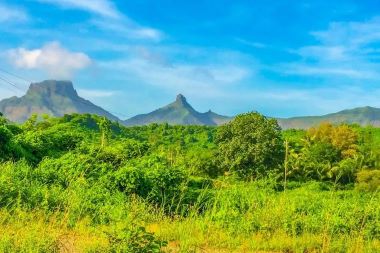
One of the most rewarding aspects of this Himalayan journey involves constantly changing landscapes throughout the route. Trekkers pass through dense forests, open grasslands, rocky mountain ridges, and scenic valleys within a single expedition. Above all, every day introduces new visual experiences. That make the trek feel exciting and dynamic from beginning to end. The diversity of terrain further adds depth to the adventure while keeping the scenery continuously engaging.
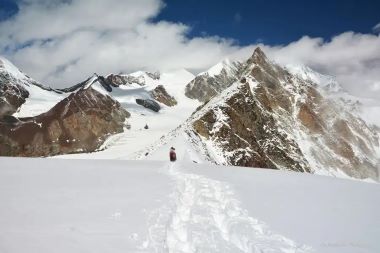
The famous Singalila Ridge stands out further as one of the biggest highlights along the route. This ridge forms a natural border between India and Nepal while offering uninterrupted panoramic mountain views. Walking along the ridge feels surreal because towering Himalayan peaks remain visible for long stretches of the trail. There is a dramatic contrast between green hills and snowy mountains. That meanwhile creates some of the most breathtaking scenery in the Eastern Himalayas.
Sunrise viewpoints along the trek become unforgettable experiences for most trekkers. Early morning sunlight slowly illuminates the snow-covered peaks, turning them golden and orange within minutes. The silence of the mountains during these moments enhances the emotional beauty of the experience. These scenic highlights further make the entire journey visually unforgettable for nature lovers and photographers alike.
Trekking Difficulty and Fitness Requirements
The Phalut Trek is generally categorized as a moderate-level Himalayan trek suitable for beginners with decent physical fitness. Although the route does not require technical climbing skills, trekkers still need stamina and endurance. So that, they can handle long walking hours across varying terrain. Daily trekking durations usually range between five and eight hours. It further depends on the selected route and weather conditions during the expedition.
The trail of Phalut Trek further includes gradual ascents, rocky paths, steep sections, and high-altitude ridges. That can become physically demanding over several days. Proper preparation before the trek helps significantly in reducing fatigue and improving overall comfort during the journey. Regular walking, jogging, cycling, and stair climbing can improve cardiovascular endurance and strengthen leg muscles for mountain trekking.
Acclimatization also becomes important because certain sections reach relatively high elevations. Trekkers should maintain a slow and steady pace instead of rushing through the route. Proper hydration and adequate rest help the body adjust naturally to altitude changes. Carrying lightweight backpacks and avoiding unnecessary gear can also make the journey much more manageable and enjoyable.
Villages and Local Himalayan Culture
The trekking route passes through several charming Himalayan villages that preserve traditional mountain lifestyles and cultural heritage. These settlements offer valuable insight into the daily lives of local communities living in remote Himalayan conditions. There are wooden homes, colorful prayer flags, Buddhist influences, and terraced farming landscapes. That meanwhile create a culturally rich environment throughout the journey. The villages also provide peaceful resting points surrounded by stunning mountain scenery.
Trekkers often stay in small homestays and trekkers' huts operated by local families. These accommodations may appear simple, but they provide warm hospitality and comforting meals after long trekking days. Hot tea, traditional soups, rice dishes, and homemade local food become especially satisfying in the cold mountain environment. The hospitality of local residents often becomes one of the most memorable aspects of the journey.
Conversations with villagers add emotional depth to the trekking experience. Locals frequently share stories about mountain weather, seasonal changes, and regional traditions shaped by life in the Himalayas. These interactions help trekkers understand the strong connection between Himalayan communities and their surrounding natural environment.
Magnificent Views of Kanchenjunga
The highlight of the entire expedition remains the spectacular mountain views of Kanchenjunga and the surrounding Himalayan peaks. Kanchenjunga dominates the eastern skyline with its massive snow-covered structure standing majestically above the clouds. During clear weather, the mountain appears incredibly close and visually overwhelming from several viewpoints along the trekking route.
Sunrise offers the most dramatic mountain scenery during the journey. Trekkers often wake before dawn and wait patiently as the first sunlight reaches the snowy Himalayan peaks. The mountains gradually shift from silver to glowing gold and deep orange shades within minutes. These changing colors create unforgettable visual moments. That further leave trekkers completely mesmerized by the beauty of the Himalayas.
On exceptionally clear mornings, you can see additional Himalayan giants for example Mount Everest, Lhotse, and Makalu. As they also become visible along the distant horizon. Witnessing multiple world-famous peaks from a single ridge adds extraordinary value to the trekking experience. These are some panoramic mountain views. That remain one of the strongest reasons why trekkers consider this route among India's most scenic Himalayan adventures.
Flora and Wildlife Along the Route
The trekking region falls within the ecologically rich Singalila National Park. That further supports remarkable Himalayan biodiversity. The forests along the trail contain a wide variety of plant species, colorful flowers, and rare wildlife habitats. During spring, blooming rhododendrons create spectacular landscapes filled with vibrant colors. Magnolias, orchids, and alpine shrubs further enhance the natural beauty of the mountain environment.
Birdwatchers often find the region particularly rewarding because many Himalayan bird species inhabit these forests. Colorful pheasants, sunbirds, and Himalayan monals can sometimes be spotted along quieter sections of the route. The dense forests also support rare wildlife species for example the red panda. Keep in mind that sightings remain uncommon due to their shy nature and remote habitats.
The vegetation further changes noticeably with increasing altitude throughout the Phalut Trek. Lower elevations remain lush and heavily forested, while higher ridges appear more open and windswept. This gradual ecological transition meanwhile keeps the scenery visually diverse and scientifically fascinating. Trekkers are encouraged to respect wildlife habitats by maintaining silence and avoiding litter across the protected mountain ecosystem.
Essential Packing Tips for Trekkers
Packing wisely plays a major role in ensuring comfort and safety throughout the Phalut Trek journey. Weather conditions in mountain regions can change unexpectedly, especially at higher altitudes. Trekkers should therefore focus on carrying practical, lightweight, and weather-appropriate gear suitable for varying temperatures and trail conditions. Overpacking can increase physical strain during long trekking days across steep sections and mountain ridges.
Warm layered clothing remains essential because daytime temperatures often differ significantly from nighttime conditions. Thermal innerwear, fleece jackets, gloves, woolen caps, and windproof outer layers are needed. They help in maintaining the body warmth during cold mornings and evenings. Waterproof trekking shoes with proper grip also become necessary. As they are needed for handling rocky paths and slippery sections along the trail.
Other important items further include trekking poles, reusable water bottles, sunglasses, sunscreen, and basic medical supplies. Rain protection should never be ignored because weather patterns in the Himalayas remain unpredictable. Carrying lightweight backpacks with organized packing arrangements improves mobility and reduces fatigue throughout the trek. Proper preparation meanwhile allows trekkers to focus entirely on enjoying the stunning Himalayan scenery.
Photography Opportunities in the Himalayas
The trekking route provides endless photography opportunities for both amateur and professional photographers. Every section of the trail offers dramatic landscapes, changing light conditions, and visually striking mountain scenery. Sunrise photography remains especially rewarding because the Himalayan peaks glow beautifully under soft golden morning light. The clarity of post-monsoon skies further enhances mountain visibility and image quality.
Forest photography also becomes incredibly rewarding during misty mornings. Pine forests, rhododendron valleys, and drifting clouds create cinematic natural compositions that appear almost dreamlike. Small villages, traditional homes, and Buddhist prayer flags add cultural depth to landscape photography throughout the expedition. The combination of natural beauty and Himalayan culture meanwhile creates visually rich storytelling opportunities.
Night photography can also produce extraordinary results under clear weather conditions. The absence of urban light pollution allows trekkers to capture brilliant star-filled skies above the mountains. Carrying extra batteries becomes important because cold temperatures often reduce battery performance at high altitudes. Careful preparation further helps photographers maximize the visual potential of the Himalayan environment.
Sustainable Trekking and Responsible Travel
Likewise, responsible tourism has become increasingly important in fragile Himalayan ecosystems. Growing tourism activity can negatively affect mountain environments if proper eco-friendly practices are ignored. Trekkers therefore play an important role in protecting the natural beauty and ecological balance of the region. Sustainable trekking practices help preserve these landscapes for future generations of travelers and local communities alike.
Using reusable water bottles and minimizing plastic waste significantly reduces environmental damage along the trekking route. Moreover, proper disposal of wrappers, food packaging, and non-biodegradable materials remains essential throughout the journey. Most importantly, trekkers should avoid leaving waste behind. As remote mountain regions often lack advanced waste management systems and cleaning infrastructure.
Supporting local homestays, guides, and small businesses also contributes positively to mountain communities. Sustainable tourism provides economic opportunities while encouraging the preservation of local culture and traditions. In addition, respect wildlife habitats, maintain silence in forest zones, and follow designated trails. It further help protect the fragile Himalayan ecosystem from unnecessary human impact.
Conclusion
Moreover, the Phalut Trek stands among the most rewarding trekking experiences in the Eastern Himalayas. That is because of its extraordinary combination of scenic beauty, peaceful trails, and cultural richness. The journey introduces trekkers to dense forests, panoramic ridges, colorful mountain villages, and breathtaking Himalayan sunrises. That further remain unforgettable long after the expedition ends. Every stage of the route offers fresh landscapes and meaningful experiences for nature lovers and adventure enthusiasts alike.
Unlike heavily commercialized trekking destinations, this route still preserves its untouched atmosphere and natural serenity. The peaceful environment allows trekkers to fully appreciate the grandeur of the Himalayas. That too without overwhelming crowds or excessive tourism activity. Stunning views of Kanchenjunga and neighboring peaks meanwhile create moments of awe. That further define the emotional core of the journey.
In short, the Phalut Trek remains an exceptional choice for travelers seeking authentic Himalayan exploration. That is full of dramatic mountain scenery and rich cultural experiences. The balance between adventure, natural beauty, and tranquility makes the experience deeply memorable for every kind of trekker.
Treks Knowledge Hub brings you reliable and inspiring content on trekking destinations across India. Our editorial team is passionate about exploring trails, from the Himalayas to the Western Ghats. We aim to provide accurate guides, safety tips, and real experiences for every trekking enthusiast. Whether you're a beginner or a seasoned trekker, we help you plan smarter adventures. Discover India, one trek at a time, with our expert insights and curated knowledge.