Stok Kangri Trek: A Challenging Himalayan Expedition
The Stok Kangri Trek stands as a symbol of extreme Himalayan adventure. Rising above the rugged landscapes of Ladakh, it challenges both physical strength and mental resilience. This expedition attracts seasoned trekkers seeking thin air, icy slopes, and unmatched mountain views. More than a climb, it is a journey through silence, altitude, and inner endurance. For those drawn to raw terrain and high passes, this trek represents a true test of limits.

Understanding the Location and Significance
Located in the Stok Range of Ladakh, this peak dominates the skyline near Leh. The region lies in a cold desert environment with dramatic contrasts. Snow-covered summits rise above barren valleys and ancient monasteries. The area holds cultural value for locals and spiritual importance for nearby villages. Trekkers experience a rare blend of Himalayan wilderness and traditional Ladakhi life throughout the route.
Altitude and Physical Challenge Explained
The summit rises above 6000 meters, making altitude the biggest obstacle. Oxygen levels drop sharply at such heights. Acclimatization becomes essential before taking Stok Kangri Trek for safety and success. Even experienced climbers feel the strain here. Slow ascents and rest days help the body adjust. This climb is not technical, but endurance plays a major role. Mental focus matters as much as physical strength.
Best Season for a Safe Expedition
Summer months offer the most stable weather window. June to September remains the preferred season. Snow conditions are manageable during this period. Days stay clear, while nights remain extremely cold. Early summer brings fresh snow, increasing difficulty. Late summer offers firmer trails and better visibility. Choosing the right month directly affects safety and summit chances.
Route Overview and Trail Experience
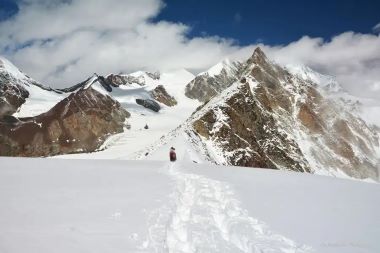
The trail for Stok Kangri Trek begins near Leh and passes through remote campsites. Trekkers cross rocky paths, glacial sections, and snowfields. Each campsite feels isolated and quiet. The landscape changes rapidly with altitude gain. Green patches fade into ice and stone. The summit push often begins before dawn. Headlamps cut through darkness and frozen winds during the final ascent.
Required Fitness and Preparation
Strong cardiovascular fitness is essential for this climb. Regular hiking and strength training help greatly. Prior high-altitude trekking experience is strongly recommended. Preparation should start months earlier. Breathing exercises and stamina-building routines improve performance. Mental readiness matters too. Fatigue and discomfort test patience during long summit days. Proper training reduces risk and improves enjoyment.
Gear and Equipment Essentials
Layered clothing protects against extreme temperature changes. Insulated jackets and thermal wear are crucial. Proper trekking boots with ankle support ensure safety. Snow gaiters, trekking poles, and gloves add comfort. Sunglasses protect eyes from snow glare. A reliable backpack carries essentials efficiently. Quality gear can make the difference between success and retreat.
Acclimatization and Safety Measures
Gradual ascent is the key safety rule here. Spending extra days at intermediate camps helps adaptation. Hydration supports oxygen circulation in the body. Guides monitor symptoms of altitude sickness closely. Immediate descent remains the only cure for severe cases. Listening to your body prevents serious health risks. Safety planning always outweighs summit ambition.
Cultural Encounters Along the Way
Though remote, the trek connects with Ladakhi heritage. Starting villages showcase traditional homes and prayer flags. Locals greet trekkers with warmth and curiosity. Monasteries dot the surrounding hills. These encounters enrich the journey beyond physical challenge. Cultural exposure adds depth and meaning to the adventure experience.
Environmental Responsibility in the Himalayas
The fragile ecosystem demands responsible trekking practices. Carrying back waste is essential. Avoid disturbing wildlife and vegetation. Use reusable bottles and minimal packaging. Respect campsites and water sources. Sustainable trekking protects this pristine region. Every visitor shares responsibility for preserving Himalayan beauty for future generations.
Why This Expedition Tests True Endurance
This climb pushes limits unlike many Himalayan treks. Thin air, cold winds, and long summit days combine brutally. Success depends on patience and preparation. The reward lies not just at the top. Personal growth defines the experience. Completing this expedition builds confidence and deep respect for high mountains.
Conclusion: A Journey Beyond the Summit
The Stok Kangri Trek represents one of Ladakh's toughest adventures. It demands discipline, humility, and determination. Those who prepare well gain more than a summit view. They gain resilience and perspective. This expedition remains a milestone for serious trekkers seeking raw Himalayan challenge. The mountain teaches lessons long after the descent ends.

Treks Knowledge Hub brings you reliable and inspiring content on trekking destinations across India. Our editorial team is passionate about exploring trails, from the Himalayas to the Western Ghats. We aim to provide accurate guides, safety tips, and real experiences for every trekking enthusiast. Whether you're a beginner or a seasoned trekker, we help you plan smarter adventures. Discover India, one trek at a time, with our expert insights and curated knowledge.