Tawang Trek: Visit Pristine Trails in Arunachal Pradesh Himalayas
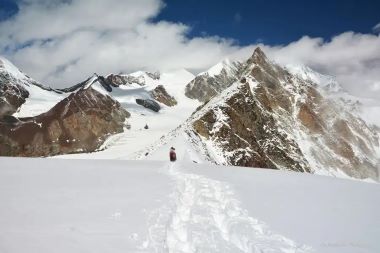
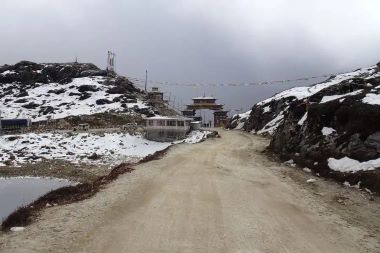
One of the most defining aspects of trekking around Tawang is crossing high mountain passes. The Tawang Trek passes act as natural gateways between valleys and cultures. Sela Pass, often snowbound, introduces trekkers to extreme alpine conditions. Wind speeds can be intense, and temperatures drop suddenly. Such environments demand patience and adaptability. Yet, the reward is unmatched. Vast frozen lakes, prayer flags, and panoramic Himalayan views create unforgettable moments. These crossings are physically demanding but emotionally uplifting.
The Role of Local Communities in the Trekking Culture
Remote mountain villages are integral to the trekking ecosystem of this region. Communities here rely on seasonal tourism for income. Homestays, porters, and guides provide authentic support to Arunachal Adventure Trek travelers. Locals share stories, traditions, and simple meals. Their warmth contrasts with the harsh climate. Trekking becomes more than a physical journey. It becomes a cultural exchange. Supporting local livelihoods ensures tourism remains sustainable and respectful.
Food and Nutrition on Remote Himalayan Trails
Food during high-altitude treks plays a vital role in energy and morale. Meals are simple but nourishing. Rice, lentils, vegetables, and soups dominate menus. Butter tea is common and helps combat cold. Fresh produce is limited due to terrain. Trekkers to Tawang Trek must adapt to basic nutrition. Carrying energy bars and dry fruits is wise. Staying hydrated improves acclimatization. Proper nutrition ensures stamina throughout long walking days.
Weather Patterns and Their Impact on Daily Trekking
Weather in the Eastern Himalayas is unpredictable. Clear mornings can quickly turn cloudy. Afternoon snow or rain is common at higher elevations. Trekkers must start early to avoid harsh conditions. Wind chill often makes temperatures feel colder than expected. Layered clothing becomes essential. Understanding weather patterns helps in planning daily distances. Flexibility ensures safety and comfort during changing conditions.
Photography Opportunities in Untouched Landscapes
For photography enthusiasts, this region is a visual treasure. Snow peaks reflect golden light at dawn. Forest trails frame dramatic compositions. Monasteries perched on ridges add spiritual depth to images. Wildlife sightings offer rare photography moments. Low light pollution allows stunning night sky shots. Carrying lightweight gear is advisable. Every step presents a chance to capture timeless Himalayan beauty.
Understanding Altitude Sickness and Prevention
Altitude sickness is a real concern in high Himalayan regions. Symptoms include headaches, nausea, and fatigue. Gradual ascent is key to prevention. Rest days allow the body to adjust. Drinking water regularly helps oxygen circulation. Avoid alcohol and smoking during the Tawang Trek pass. Listening to your body is crucial. Early response prevents serious health issues. Safety awareness enhances the overall trekking experience.
Trekking Routes Suitable for Different Skill Levels
The region offers routes suitable for varied experience levels. Shorter trails around valleys suit beginners. Multi-day routes crossing high passes challenge seasoned trekkers. Difficulty depends on altitude, terrain, and weather. Choosing the right route for Tawang Trek ensures enjoyment rather than exhaustion. Consulting local guides helps match ability with trail conditions. Thoughtful selection makes the journey rewarding for all skill levels.
Cultural Etiquette Every Trekker Should Know
Respect for local customs enhances mutual understanding. Monasteries require modest clothing and quiet behavior. Always ask before photographing people. Shoes should be removed in sacred spaces. Greetings are simple but meaningful. Small gestures of respect build positive connections. Cultural sensitivity enriches the travel experience. It also preserves harmony between visitors and residents.
Packing Smart for Remote Himalayan Conditions
Packing efficiently is essential for comfort and safety. Layered clothing adapts to changing temperatures. Waterproof jackets protect against sudden rain or snow. Sturdy trekking boots provide ankle support. A reliable backpack distributes weight evenly. Basic medical supplies are necessary. Avoid overpacking to reduce strain. Smart packing improves mobility and endurance on long trails.
Connectivity and Communication Challenges
Mobile networks are limited in remote mountain regions. Internet access is rare beyond towns. Trekkers should inform family beforehand. Satellite phones are sometimes used by guides. This lack of connectivity encourages digital detox. Nature becomes the focus instead of screens. Many travelers find this disconnect refreshing. It allows deeper immersion into the surroundings.
Environmental Challenges Facing the Eastern Himalayas
Despite isolation, environmental threats exist. Climate change affects snowfall patterns and glaciers. Waste management remains a challenge in remote areas. Responsible trekking practices reduce impact. Using reusable items minimizes trash. Awareness among travelers can drive conservation efforts. Protecting these landscapes ensures future generations can experience their beauty.
The Emotional Rewards of Trekking in Isolation
Walking through quiet valleys offers mental clarity. Silence amplifies inner thoughts. Each step becomes mindful. The absence of crowds enhances self-reflection. Trekkers often describe a sense of renewal. Physical effort combined with natural beauty fosters emotional balance. Such journeys leave lasting impressions beyond photographs.
Safety Measures and Emergency Preparedness
Safety planning is non-negotiable in remote terrains. Weather changes require alertness. Guides carry emergency contacts and basic medical kits. Trekkers should follow instructions carefully. Staying together reduces risk. Understanding evacuation options provides reassurance. Preparedness transforms uncertainty into confidence.
Comparing Eastern and Western Himalayan Experiences
Eastern Himalayan trekking differs significantly from western regions. Landscapes are greener and wetter. Cultural influences lean toward Tibetan traditions. Crowds are fewer, and routes feel wilder. Infrastructure is less developed. This creates a raw, authentic experience. Those seeking solitude often prefer the eastern ranges.
Trekking as a Tool for Sustainable Development
Adventure tourism can support sustainable development when managed responsibly. Employment opportunities reduce migration from villages. Cultural preservation gains value through respectful tourism. Infrastructure improves gradually. Trekking becomes a bridge between conservation and livelihood. Conscious travelers play an active role in this balance.
Mental Preparation for Long-Distance Himalayan Walks
Mental endurance is as important as physical strength. Long walking hours test patience. Weather delays can be frustrating. Accepting uncertainty helps maintain morale. Setting realistic expectations reduces stress. Trekking becomes more enjoyable when approached with openness. Mental resilience turns challenges into learning experiences.
Why This Region Appeals to Seasoned Trekkers
Experienced trekkers seek destinations beyond popular circuits. The Eastern Himalayas offer rarity and depth. Trails of Tawang Trek demand adaptability and awareness. Cultural immersion adds layers to the journey. Natural beauty feels untouched. For those craving authenticity, these mountains deliver unmatched satisfaction.
Trekking Stories Passed Down Through Generations
Local legends and stories enrich the trekking narrative. Tales of monks, traders, and mountain spirits echo through valleys. Guides often share folklore during evenings. These stories connect present travelers with history. Trekking becomes a walk through time. Such narratives deepen appreciation for the land.
Final Reflection: A Journey Beyond Trails
Trekking in the mountains of Arunachal Pradesh is not just an outdoor activity. It is an exploration of culture, resilience, and nature's quiet power. The experience of Tawang Trek challenges the body while calming the mind. Each trail teaches patience and respect. For travelers seeking meaning alongside adventure, these pristine Himalayan paths offer something truly rare.
Treks Knowledge Hub brings you reliable and inspiring content on trekking destinations across India. Our editorial team is passionate about exploring trails, from the Himalayas to the Western Ghats. We aim to provide accurate guides, safety tips, and real experiences for every trekking enthusiast. Whether you're a beginner or a seasoned trekker, we help you plan smarter adventures. Discover India, one trek at a time, with our expert insights and curated knowledge.