Trekking to the Roof of Africa: Kilimanjaro Summit
Trekking to the Kilimanjaro Summit roof of Africa is a dream that lives in the hearts of adventure lovers worldwide. Mount Kilimanjaro stands alone, rising dramatically above Tanzania's plains and offering a challenge that is both approachable and demanding. This journey is not about technical climbing or extreme mountaineering skills. Instead, it is about resilience, patience, and the ability to adapt to altitude and changing landscapes. Every step on this trail carries a sense of purpose, leading trekkers through diverse ecosystems toward a summit that symbolizes achievement and personal growth.
What makes this trek unique is its universal appeal. Beginners, seasoned hikers, and even first-time trekkers attempt this climb each year. With proper preparation and guidance, the journey becomes an achievable goal rather than an intimidating challenge. Understanding the mountain, its routes, and the physical demands involved is the foundation of a safe and rewarding experience.
The Geographical and Geological Significance of Mount Kilimanjaro
Mount Kilimanjaro is not part of a mountain range, which makes its presence even more striking. It rises independently from the surrounding savannah, creating one of the most recognizable silhouettes in the world. The mountain is composed of three volcanic cones-Kibo, Mawenzi, and Shira-formed over a million years ago. Kibo, the youngest cone, is home to the highest point on the mountain.
This geological history shapes the trekking experience to reach the Kilimanjaro Summit of yours. Wide slopes, volcanic scree, and ancient lava formations define much of the trail. The mountain's isolated nature also influences weather patterns, making conditions unpredictable. Understanding this background helps trekkers appreciate the scale and uniqueness of the journey beyond its physical demands.
Why Kilimanjaro Appeals to Trekkers Across the World
Mount Kilimanjaro attracts people from different cultures, age groups, and fitness levels. One reason is accessibility. No ropes or advanced climbing techniques are required. The challenge lies in endurance and altitude adaptation rather than technical difficulty. This makes the trek appealing to those seeking a meaningful adventure without specialized mountaineering training.
Another reason is the emotional reward. The journey to Kilimanjaro Summit encourages introspection and mental strength. Long walking days, cold nights, and slow progress teach patience. Many trekkers describe the experience as transformative, offering clarity and confidence that extends far beyond the trail.
Understanding the Climatic Zones on the Mountain
One of the most fascinating aspects of trekking Kilimanjaro is passing through multiple climatic zones in a short time. The trek begins in tropical rainforest, where humidity and wildlife create a vibrant atmosphere. As altitude increases, the forest gives way to heath and moorland, characterized by giant lobelias and open views.
Higher up, the alpine desert zone presents a stark landscape of rock and dust. Vegetation becomes scarce, and temperatures drop sharply. Finally, the arctic zone near the top introduces icy winds and freezing conditions. Experiencing these zones highlights the mountain's ecological diversity and prepares trekkers for the physical adjustments required at each stage.
Selecting the Most Suitable Route for Your Trek
Choosing the right route to reach the Kilimanjaro Summit plays a major role in overall success and enjoyment. Each route offers a different balance of scenery, difficulty, and acclimatization time. The Machame Route is popular due to its varied landscapes and gradual ascent profile. It allows trekkers to adapt to altitude while enjoying dramatic views.
The Lemosho and Northern Circuit routes are longer and quieter, offering better acclimatization and higher success rates. Marangu, known for its hut accommodations, appeals to those seeking shelter instead of tents. The choice should align with fitness level, time availability, and personal preferences for comfort and solitude.
Physical Conditioning and Mental Preparation
Physical preparation for Kilimanjaro focuses on endurance rather than speed. Long-distance walking, stair climbing, and uphill training help build stamina. Carrying a backpack during practice hikes prepares the body for sustained effort. Strength training for legs and core improves stability on uneven terrain.
Mental preparation is equally important. Trekking for several days in challenging conditions requires patience and determination. Progress can feel slow due to altitude, but maintaining a steady rhythm is essential. A positive mindset and realistic expectations contribute significantly to a successful climb.
Managing Altitude and Staying Healthy on the Trail
Altitude is the most significant challenge on this trek. As elevation increases, oxygen levels decrease, affecting energy and breathing. Proper acclimatization allows the body to adjust gradually. Slow ascent, hydration, and rest days are key strategies used by experienced guides.
Symptoms of altitude sickness vary from mild headaches to severe fatigue. Listening to your body and communicating with guides is crucial. Descending when necessary is not failure but a responsible decision. Health and safety always take priority over reaching the top.
Essential Gear and Packing Strategy
Packing the right gear enhances comfort and safety throughout the trek. Layering is essential due to changing temperatures. Breathable base layers, insulating mid-layers, and waterproof outer layers form the foundation of a reliable clothing system. A high-quality down jacket is critical for cold nights and summit attempts.
Footwear deserves special attention while trekking to Kilimanjaro Summit. Well-broken-in trekking boots reduce the risk of blisters and injuries. Accessories such as trekking poles, headlamps, and insulated gloves add stability and warmth. Smart packing ensures that every item serves a purpose without unnecessary weight.
Daily Life on the Trek: Camps, Meals, and Routine
Life on the mountain follows a simple but structured routine. Days begin early with warm drinks and breakfast, followed by several hours of trekking. Lunch is usually taken on the trail, while evenings are spent resting at camp. Guides monitor health and progress, offering support and encouragement.
Meals are designed to provide energy and nutrition. Carbohydrate-rich foods help sustain effort, while warm soups aid hydration. Despite the remote setting, trekkers are often surprised by the quality and variety of meals prepared by support teams.
The Importance of Guides and Porters
Local guides and porters are integral to the trekking experience. Guides ensure safety, manage pacing, and respond to health concerns. Their familiarity with the mountain allows them to adapt plans based on weather and group condition.
Porters carry essential equipment, set up camps, and prepare meals. Ethical trekking practices emphasize fair treatment, proper wages, and adequate gear for support staff. Choosing responsible operators contributes positively to local livelihoods and enhances the overall experience.
Wildlife, Culture, and Human Connection
Although the upper slopes are barren, the lower regions of Kilimanjaro host diverse wildlife. Monkeys, birds, and small mammals are often seen in the rainforest zone. These encounters add a sense of wonder to the early days of the trek.
Cultural interaction begins even before stepping onto the trail. The Chagga people, native to the region, share stories and traditions connected to the mountain. This cultural context deepens appreciation for the journey and reminds trekkers that Kilimanjaro is both a natural and cultural landmark.
Summit Night: The Most Demanding Stage
Summit night is physically and mentally intense. Trekkers usually begin the final ascent around midnight. The goal is to reach the top by sunrise, when conditions are more stable and views are clearer. The trail is steep, and progress is slow due to altitude and cold.
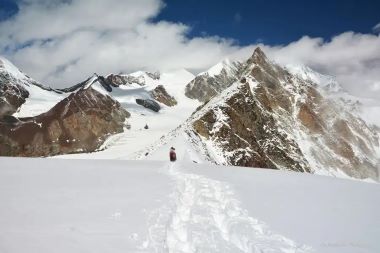
Every step requires focus and controlled breathing. Guides set a steady pace, encouraging short breaks. Reaching the Kilimanjaro Summit at dawn rewards trekkers with sweeping views and a powerful sense of accomplishment. This moment often becomes the highlight of the entire journey.
Best Seasons and Weather Considerations
Weather conditions influence trail safety and visibility. The most favorable periods are generally during the dry seasons, when trails are less muddy and skies are clearer. These months attract more trekkers, creating a lively atmosphere on popular routes.
The rainy seasons offer fewer crowds and lush landscapes but require tolerance for wet conditions. Understanding seasonal differences helps trekkers choose the best time based on comfort, experience, and personal priorities.
Environmental Responsibility and Sustainable Trekking
Mount Kilimanjaro faces environmental challenges, including waste management and glacier retreat. Responsible trekking practices help protect this fragile ecosystem. Carrying out waste, staying on designated trails, and supporting eco-conscious operators make a tangible difference.
Sustainable tourism also benefits local communities. Choosing companies that prioritize environmental care and fair employment ensures that trekking contributes positively to the region's future.
Conclusion: A Journey Beyond the Summit
Trekking Mount Kilimanjaro is more than a physical achievement. It is a journey of self-discovery, discipline, and respect for nature. From rainforest paths to icy slopes, every stage teaches valuable lessons about perseverance and adaptability. Standing on the Kilimanjaro Summit represents not just reaching Africa's highest point, but overcoming personal limitations and embracing the spirit of adventure. Long after the descent, the experience continues to inspire confidence and a deeper connection with the natural world.
Treks Knowledge Hub brings you reliable and inspiring content on trekking destinations across India. Our editorial team is passionate about exploring trails, from the Himalayas to the Western Ghats. We aim to provide accurate guides, safety tips, and real experiences for every trekking enthusiast. Whether you're a beginner or a seasoned trekker, we help you plan smarter adventures. Discover India, one trek at a time, with our expert insights and curated knowledge.