Tunganath Trek: Journey to the Highest Shiva Temple
Nestled in the pristine Garhwal Himalayas, the Tunganath Trek offers more than just a trekking experience. It is a journey of devotion, nature, and personal reflection. Rising to an altitude of 3680 meters, Tungnath is the highest Shiva temple in the world. It draws thousands of pilgrims and trekking enthusiasts every year. This trail combines the thrill of adventure with the serenity of spirituality. That allows travelers to witness breathtaking Himalayan vistas while connecting with centuries-old legends. Whether you are a nature lover, a history enthusiast, or someone seeking spiritual solace, the Tunganath trail promises a holistic Himalayan experience.
The journey begins at Chopta, often referred to as the “Mini Switzerland of India”. It is a lush meadow land that serves as the gateway to the trek. From here, a well-marked trail leads through forests, meadows, and streams. That Deoria Tal Lake Trek culminates at the temple and, for the adventurous, Chandrashila Peak. Along the way, travelers encounter an extraordinary mix of flora, fauna, and cultural heritage that makes this trek a truly unforgettable experience.
The Historical and Spiritual Significance of Tungnath Temple
Tungnath Temple is an integral part of the Panch Kedar circuit. It is a set of five ancient Shiva shrines scattered across the Garhwal Himalayas. According to mythology, the Pandavas sought Lord Shiva's blessings for atonement after the Mahabharata war. In his attempt to avoid them, Shiva took the form of a bull, and the parts of his body appeared at different locations. Tungnath marks the spot where his arms manifested.
The temple, believed to be over a thousand years old, is a fine example of North Indian Himalayan architecture. It features stone construction and intricate wood carvings. Pilgrims flock here to offer prayers, especially during auspicious occasions like Mahashivratri. The serene environment, combined with the chants and rituals, provides a spiritual calm that is rare in the modern world. Visitors often describe an immediate sense of peace and connection upon entering this sacred space.
The Geographic Marvel: Altitude and Location
Tungnath Temple's altitude of 3680 meters not only makes it the highest Shiva temple in the world. It also offers an unmatched vantage point to witness the Garhwal Himalayas. The Tunganath Trek starts at Chopta, which sits at around 2680 meters. That makes the ascent gradual and manageable.
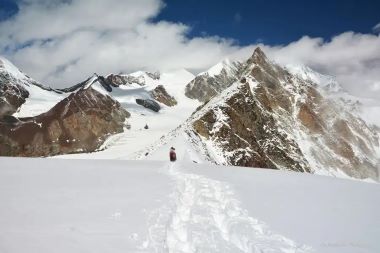
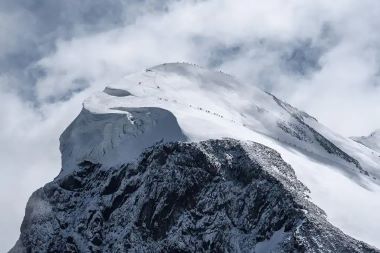
On the route, trekkers are rewarded with panoramic views of Himalayan giants like Nanda Devi, Trishul, Chaukhamba, and Kedar Peak. These peaks, often snow-capped even during summer, create a majestic backdrop, turning every step into a photographic opportunity. The location also offers a rare chance to observe the unique alpine ecosystems. That include high-altitude meadows, coniferous forests, and rare Himalayan flora.
The Ideal Time to Experience the Tunganath Trek
Timing your visit to Tunganath Trek is crucial for both safety and enjoyment. The best months for the trek are April to June and September to November. During April to June, the trail comes alive with blooming rhododendrons, primroses, and wildflowers, painting the landscape in vibrant colors. Temperatures are moderate, making it ideal for trekking and camping.
Post-monsoon months (September to November) are favored by many trekkers due to clear skies and stable weather conditions. Visibility is at its peak, offering unobstructed views of the Himalayan range. Winters bring heavy snowfall, closing the temple and trail for casual trekkers. But, snow enthusiasts and experienced mountaineers find it appealing for extreme trekking experiences. Rainy months are generally avoided as the trail becomes slippery and treacherous.
Preparing for the Trek: Fitness and Essentials
Although the Tunganath Trek is considered moderate in difficulty, proper preparation ensures a safe and comfortable journey. A basic fitness routine focusing on cardiovascular health and leg strength can make a noticeable difference. Regular brisk walks, stair climbing, and light jogging in the weeks leading up to the trek are recommended.
Additionally, carrying trekking poles can help reduce strain on knees during the ascent and descent. Proper preparation enhances both safety and enjoyment, allowing trekkers to focus on the breathtaking scenery and spiritual experience.
The Trekking Trail: From Chopta to Tungnath
The trek spans approximately three and a half kilometers one-way, making it suitable for beginners and moderately experienced trekkers. The trail begins amidst Chopta's green meadows, gradually ascending through dense forests of pine, oak, and deodar.
As you climb, the surroundings shift from shaded forests to open alpine slopes, where the Himalayan panorama unfolds dramatically. Small streams and waterfalls along the route provide refreshing pauses. Here, locally run tea stalls offer snacks, chai, and a chance to interact with fellow travelers. Each step rewards trekkers with a mix of natural beauty, spiritual resonance, and adventure, creating a deeply immersive experience.
Chandrashila Peak: The Summit Beyond
For those seeking a higher altitude challenge, Chandrashila Peak is just one and a half kilometers beyond Tungnath Temple. Standing at over 4000 meters, the peak offers a 360-degree view of the Himalayas. That include iconic peaks like Nanda Devi, Trishul, Kedar Peak, and Chaukhamba.
Sunrise from Chandrashila is often described as magical. The first rays illuminate the snow-capped mountains, turning them golden against the blue sky. The climb is steeper than the Tungnath trail, requiring moderate fitness and careful navigation, but the reward is unparalleled. Many trekkers consider this extension the highlight of their journey, combining adventure with spiritual fulfillment.
Flora, Fauna, and Ecological Richness
The trek passes through biodiverse landscapes that are a haven for nature enthusiasts. In spring and summer, rhododendrons bloom in vivid shades of red and pink. While alpine meadows are dotted with primroses, lilies, and gentians. The forests are home to Himalayan monals, pheasants, and eagles, offering excellent birdwatching opportunities.
Moreover, the region of Tunganath Trek is ecologically sensitive, and responsible trekking is essential. Staying on marked trails, avoiding litter, and supporting local eco-lodges help preserve the fragile high-altitude ecosystem. The combination of pristine natural beauty and mindful travel makes the trek both rewarding and environmentally responsible.
Cultural and Local Experiences
The region surrounding Tungnath is dotted with small villages where locals maintain traditional lifestyles. Visiting these hamlets provides insight into Uttarakhand's rich cultural tapestry. Local communities often welcome trekkers with warm hospitality, offering simple meals, guidance, and homestay options.
Festivals like Mahashivratri see villagers and pilgrims gathering in large numbers, performing rituals, and singing devotional songs. Experiencing such cultural practices along the Tunganath Trek enriches the journey. That allows the travelers to witness living traditions in their natural Himalayan setting.
Accommodation and Overnight Options
Most trekkers use Chopta as their base, staying in cozy guesthouses, eco-lodges, or campsites. While facilities are basic, they are comfortable and provide essential services like meals and hot water. Staying overnight in Chopta allows trekkers to witness the starry Himalayan sky. They can even catch early morning views of Nanda Devi and Trishul peaks.
For more adventurous travelers, camping en route can offer a unique experience. That combines starlit nights with the tranquility of the mountains. However, camping requires proper gear and permits, so planning in advance is essential.
Why the Tunganath Trek is Unforgettable
The Tunganath Trek stands out because it perfectly blends adventure, spirituality, and natural beauty. The physical effort of the climb is balanced by the peaceful ambiance of the temple. It gets soothed by the freshness of alpine air, and the mesmerizing mountain vistas. For many, the Tunganath Trek becomes a transformative experience. That offers clarity, mindfulness, and a renewed sense of connection with nature and heritage.
You may seek the blessings of Lord Shiva, capture Instagram-worthy Himalayan landscapes, or simply embrace the calm of the mountains. This trek delivers on all fronts.
Conclusion: A Journey Worth Every Step
This journey takes you from Chopta's serene meadows to the sacred Tungnath Temple and the panoramic Chandrashila Peak. The trek is a perfect blend of faith, adventure, and nature. It is more than a physical journey-it is a spiritual exploration, a visual feast, and a test of endurance. The Tunganath Trek invites travelers to slow down, absorb the beauty, respect tradition, and embrace the Himalayan highlands in all their glory. For anyone seeking a Himalayan adventure that nourishes both the soul and the senses, this trail is an ideal experience. That lingers long after the descent.
Treks Knowledge Hub brings you reliable and inspiring content on trekking destinations across India. Our editorial team is passionate about exploring trails, from the Himalayas to the Western Ghats. We aim to provide accurate guides, safety tips, and real experiences for every trekking enthusiast. Whether you're a beginner or a seasoned trekker, we help you plan smarter adventures. Discover India, one trek at a time, with our expert insights and curated knowledge.