Pindari Glacier Trek: A Scenic Trek to a Himalayan Glacier
The Himalayas offer countless trekking experiences. But few match the charm of the Pindari Glacier Trek nestled in the Kumaon region of Uttarakhand. This classic trail firstly leads adventurers through lush forests, peaceful villages, flowing rivers, and breathtaking mountain landscapes. The route rewards trekkers with magnificent views of the majestic Pindari Glacier. That further makes it a favorite among beginners and experienced hikers alike. Every step introduces travelers to nature's untouched beauty. That also offers an unforgettable journey through one of India's most scenic mountain regions.
Why This Himalayan Trail Is So Popular
This glacier expedition has remained popular for decades because it perfectly combines accessibility with spectacular scenery. The Pindari Glacier trek in Uttarakhand is different from many high-altitude Himalayan treks that firstly demand technical climbing skills. On the other hand, this route welcomes travelers with moderate fitness levels. The well-marked path meanwhile passes charming villages where local hospitality creates memorable experiences.
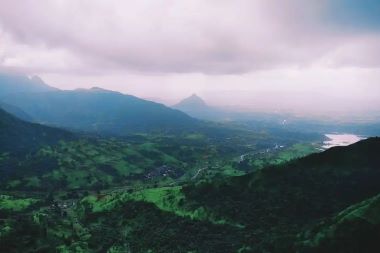
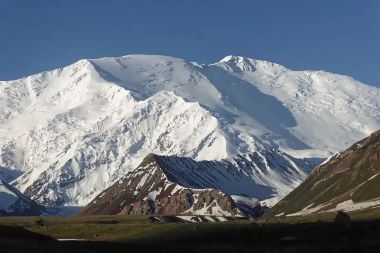
Towering snow-covered peaks accompany trekkers throughout the Pindari Glacier Trek journey. Crystal-clear streams, wooden bridges, and colorful alpine flowers create a landscape that changes with every kilometer. The peaceful atmosphere further allows visitors to disconnect from busy city life. So that, they can meanwhile reconnect with nature in its purest form.
Scenic Highlights Along the Route
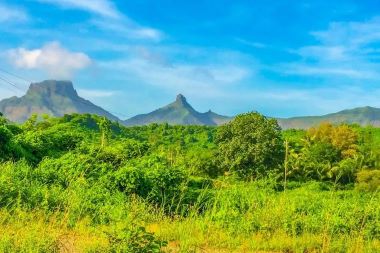
One of the biggest attractions of the Pindari Glacier Trek adventure is the ever-changing scenery. Dense oak, pine, and rhododendron forests surround the lower sections of the trail. During spring, blooming rhododendrons paint the hillsides with vibrant shades of red and pink, creating postcard-worthy views.
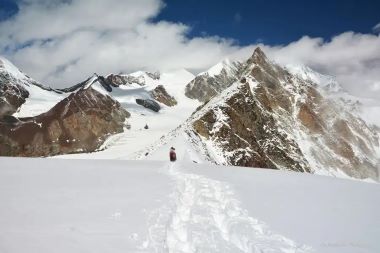
As trekkers gain altitude, the forests gradually give way to wide alpine meadows and rocky terrain. Snow-covered peaks such as Nanda Devi East, Nanda Kot, and Maiktoli dominate the skyline. The final viewpoint Bagini Glacier Expedition near Zero Point meanwhile offers an incredible panorama of the glacier. There, massive ice formations descend further dramatically from the surrounding mountains.
Trek Route and Major Stops
Most journeys begin from Kathgodam, the nearest railway station connected to major Indian cities. From there, travelers drive to Khati via Bageshwar and Song. Khati serves as the last inhabited village before entering the higher mountain region.
The usual trekking itinerary firstly includes Khati, Dwali, Phurkia, and finally Zero Point near the glacier. Each campsite offers unique landscapes and peaceful surroundings. Comfortable guesthouses and trekking lodges are available at most overnight stops. That further make the journey convenient for families and first-time trekkers.
The gradual ascent firstly helps participants adjust to the changing altitude. Daily walking distances remain manageable, allowing enough time to enjoy photography, birdwatching, and short breaks beside mountain streams.
Best Time to Visit
Choosing the right season greatly improves the trekking experience. Summer, from April to June, offers pleasant weather, blooming flowers, and comfortable daytime temperatures. Snow remains visible on the surrounding peaks, creating spectacular mountain views.
The post-monsoon season from September to November is equally rewarding. Clear skies improve visibility, making photography especially enjoyable. The fresh mountain air and colorful autumn landscapes attract many trekking enthusiasts during this period.
The monsoon months bring heavy rainfall that makes trails slippery and increases the possibility of landslides. Winter introduces deep snowfall, limiting accessibility to several sections of the route.
Difficulty Level and Physical Preparation
The Pindari Glacier Trek falls into the moderate trekking category. Daily hikes usually range between 8 and 15 kilometers, depending on the itinerary. Although no technical climbing skills are necessary, consistent uphill walking requires reasonable stamina and endurance.
Regular walking, jogging, cycling, or stair climbing for several weeks before the trip helps improve fitness. Light strength exercises also prepare the legs for continuous ascents and descents. Maintaining hydration and following a steady walking pace make the journey more comfortable.
Beginners often choose this adventure because the altitude increases gradually. That further reduces the likelihood of severe altitude-related discomfort. But, it still delivers an authentic Himalayan trekking experience.
Flora, Fauna, and Natural Beauty
Nature lovers will appreciate the incredible biodiversity found throughout the trekking route. Thick forests shelter numerous bird species, butterflies, and small Himalayan mammals. Lucky visitors may spot Himalayan monals, pheasants, barking deer, or colorful mountain birds hidden among the trees.
The region also supports diverse plant life. Moss-covered rocks, wildflowers, medicinal herbs, and towering conifer trees enrich the landscape. During spring, blooming rhododendrons transform entire valleys into colorful natural gardens. That further make every section of the trail visually stunning.
The nearby rivers remain crystal clear throughout the year. Their soothing sound accompanies trekkers almost every day, adding a calming rhythm to the journey.
Essential Packing Guide
Packing wisely ensures a comfortable trekking experience. Layered clothing works best because mountain temperatures change quickly between morning and evening. Waterproof jackets become valuable during unexpected weather changes, while thermal wear provides warmth during cold nights.
Comfortable trekking shoes with good grip are essential for rocky and uneven paths. Trekking poles reduce pressure on the knees during descents and improve balance on steep sections. Sunglasses, sunscreen, reusable water bottles, energy snacks, and a first-aid kit should always remain part of every backpack.
A lightweight backpack helps reduce fatigue during long walking hours. Carrying only necessary items improves overall comfort without sacrificing preparedness.
Local Culture and Village Life
The villages along the route meanwhile provide an enriching cultural experience alongside natural beauty. Local communities have preserved traditional Kumaoni customs for generations. Stone houses, terraced farms, and welcoming residents create a peaceful rural atmosphere rarely found in urban areas.
Visitors often enjoy authentic Kumaoni cuisine prepared using locally grown ingredients. Simple meals, warm hospitality, and conversations with village families offer valuable insights into mountain life. Purchasing locally made handicrafts also supports community livelihoods and encourages sustainable tourism.
While exploring the Pindari Glacier Trek, respect local traditions and maintain cleanliness. That further helps preserve both cultural heritage and the pristine Himalayan environment.
Photography Opportunities Throughout the Journey
Photography enthusiasts will find endless opportunities from the beginning of the trek until the final viewpoint. Early mornings often produce golden sunlight that beautifully illuminates snow-covered peaks. Mist rising from valleys further creates dramatic compositions suitable for landscape photography.
Flowing rivers, suspension bridges, dense forests, and colorful wildflowers provide excellent foreground subjects. Wildlife sightings reward patient photographers, while clear night skies offer exceptional opportunities for astrophotography during favorable weather.
Carrying extra camera batteries proves useful because charging facilities become limited beyond the lower villages. Protecting equipment from moisture also helps maintain performance throughout the expedition.
Responsible Trekking Practices
Above all, protecting fragile Himalayan ecosystems remains the responsibility of every visitor. Carrying reusable bottles and avoiding single-use plastics significantly reduces waste along the trail. Trekkers should always dispose of garbage responsibly and avoid disturbing wildlife habitats.
Following designated trekking paths prevents unnecessary damage to delicate vegetation. Respecting local customs, minimizing noise, and conserving water contribute to sustainable tourism. Supporting local guides, homestays, and small businesses also benefits mountain communities while preserving traditional livelihoods.
Responsible travel firstly ensures future generations can continue enjoying these spectacular Himalayan landscapes. That too without compromising their ecological balance.
Travel Tips for a Smooth Adventure
Proper planning makes every trekking experience more enjoyable. Booking accommodation in advance during peak seasons helps avoid last-minute difficulties. Monitoring weather forecasts before departure allows travelers to prepare appropriate clothing and equipment.
Starting each trekking day early maximizes daylight and reduces exposure to afternoon weather changes. Maintaining a slow, steady pace conserves energy throughout the journey. Drinking enough water and eating nutritious meals help sustain stamina during continuous walking.
Hiring experienced local guides further enhances safety. They also provide valuable knowledge about the region's history, culture, wildlife, and mountain geography. Their guidance often transforms an ordinary trek into a richer and more educational experience.
Conclusion
The Pindari Glacier Trek remains one of Uttarakhand's most rewarding trekking experiences for nature lovers, photographers, and adventurers. Beautiful forests, welcoming villages, towering Himalayan peaks, and the magnificent glacier combine to create an unforgettable journey. Its moderate difficulty makes it accessible to a wide range of travelers while still delivering the thrill of a genuine mountain expedition. Moreover, do thoughtful preparation and follow responsible travel practices. With that, every visitor can experience the timeless beauty of this remarkable Himalayan trail. That allows them to meanwhile create memories that last a lifetime.
Treks Knowledge Hub brings you reliable and inspiring content on trekking destinations across India. Our editorial team is passionate about exploring trails, from the Himalayas to the Western Ghats. We aim to provide accurate guides, safety tips, and real experiences for every trekking enthusiast. Whether you're a beginner or a seasoned trekker, we help you plan smarter adventures. Discover India, one trek at a time, with our expert insights and curated knowledge.