Sandakphu Trek: Best Panoramic Views of Everest and Kanchenjunga
The Eastern Himalayas hide one of India's most spectacular mountain experiences. The Sandakphu Trek offers that rare opportunity, combining raw Himalayan beauty with accessible trails and cultural richness. Imagine standing on a high ridge as golden sunlight slowly reveals the towering silhouettes of some of the tallest peaks on Earth. Located in the Darjeeling district of West Bengal, this is an iconic route. That is renowned for presenting both Mount Everest and Kanchenjunga in a single panoramic sweep. For trekkers seeking dramatic mountain views without extreme technical difficulty, this journey is just perfect. It stands out as a perfect balance of challenge and reward.
Where Is Sandakphu and What Makes It Unique?
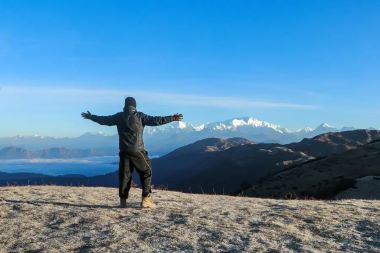
Sandakphu sits at an elevation of 3636 meters, making it the highest point in West Bengal. The trail runs along the Indo-Nepal border through the pristine landscapes of Singalila National Park. What truly sets this trek apart is the Kanchenjunga Expedition Trek breathtaking alignment of Himalayan giants visible from the summit. On a clear day, trekkers can witness not just Everest and Kanchenjunga, but also Lhotse and Makalu. That forms a dramatic skyline. The famous “Sleeping Buddha” formation, created by the Kanchenjunga range, adds a mystical touch to the landscape and makes the summit experience unforgettable.
Best Time to Visit for Clear Mountain Views
Choosing the right season significantly enhances the trekking experience. Spring, from April to May, transforms the forest trails into a vibrant corridor of blooming rhododendrons and magnolias. The weather remains pleasant, and the views are generally clear. Autumn, particularly October and November, is considered the best time for crisp skies and uninterrupted Himalayan panoramas. During this period, visibility improves dramatically, offering stunning sunrise and sunset moments. Winter brings snowfall and serene white landscapes, but temperatures can drop sharply. Monsoon months are best avoided due to slippery trails and frequent cloud cover that often hides the mountain views.
Route Overview from Manebhanjan
The journey typically begins at Manebhanjan, a small mountain town near Darjeeling. The trail stretches approximately 32 kilometers and is usually completed in five to six days. Key halts along the way include Tumling, Gairibas, Kalipokhri, and finally the Sandakphu summit. The route alternates between forested paths, open ridges, and small settlements, offering constant visual variety. The gradual ascent allows trekkers to acclimatize naturally, making it suitable for beginners with reasonable fitness levels.
Difficulty Level and Preparation Tips
The Sandakphu Trek is categorized as moderate in difficulty, which means it is accessible to most healthy individuals with basic stamina. Daily walking hours range between four and seven hours, with certain stretches featuring steep inclines. Preparing with regular cardio workouts, stair climbing, and short practice hikes can significantly improve endurance. Since altitude gain is gradual, the risk of severe altitude sickness is lower compared to more extreme Himalayan expeditions. Still, staying hydrated and maintaining a steady pace are essential for a comfortable journey.
The Magical Sunrise Experience
One of the most compelling reasons to attempt the Sandakphu Trek is the sunrise from the summit. As dawn breaks, the first rays of sunlight illuminate Everest and Kanchenjunga in soft shades of gold and pink. The transformation from shadowed silhouettes to radiant peaks feels almost cinematic. Watching the sky change colors above a sea of clouds is a moment that leaves a lasting impression. Photographers and nature lovers often describe this experience as the highlight of their Himalayan adventures.
Flora and Fauna of Singalila National Park
The Sandakphu Trek passes through rich ecological zones that are part of Singalila National Park. Dense forests of oak, bamboo, and rhododendron create a refreshing trekking environment. During spring, vibrant blossoms add dramatic color to the landscape. Wildlife enthusiasts may spot rare species such as the red panda and Himalayan black bear, although sightings are not guaranteed. Birdwatchers will appreciate the diversity of high-altitude bird species that inhabit this protected region. The ecological richness adds depth to the trekking experience beyond just mountain views.
Cultural Encounters Along the Trail
The villages scattered along the route reflect strong Nepali and Tibetan cultural influences. Colorful prayer flags flutter across ridges, and small monasteries dot the landscape, adding spiritual charm to the journey. Local residents welcome trekkers warmly, offering simple yet nourishing meals and comfortable lodging. Conversations with villagers provide insight into mountain life and traditions that have remained largely unchanged for generations. This cultural immersion makes the trek feel authentic and deeply enriching.
Accommodation and Food Options
Accommodation along the Sandakphu Trek primarily consists of trekkers' huts, homestays, and modest lodges. While facilities are basic, they are clean and sufficient for a comfortable night's rest. Meals typically include rice, lentils, vegetables, noodles, and local specialties such as momos. The food is freshly prepared and designed to provide the energy needed for long trekking days. Electricity and mobile connectivity can be limited, so carrying power banks and informing family members in advance is advisable.
Packing Essentials for a Comfortable Trek
Packing wisely can greatly enhance your experience. Essential items include sturdy trekking shoes with reliable grip and layered clothing to adapt to changing temperatures. Also carry a windproof jacket, woolen accessories, sunscreen, and sunglasses. A reusable water bottle and a compact first-aid kit are also important. Weather conditions in the Himalayas can shift quickly, so preparing for cold mornings and windy evenings ensures you remain comfortable throughout the journey.
Why This Trek Appeals to Photographers
Wide ridgelines and uninterrupted mountain views make this trail a paradise for photography enthusiasts. Golden hour lighting enhances the textures of distant peaks, while forest sections offer opportunities for creative landscape shots. Even amateur photographers can capture stunning images due to the dramatic natural backdrop. Sunrise and sunset moments provide particularly rewarding frames, especially when clouds settle below the ridgeline, creating a surreal floating effect.
Sustainable Trekking and Responsible Travel
Protecting the fragile Himalayan ecosystem is essential for preserving its beauty. Trekkers are encouraged to minimize plastic usage, carry reusable items, and dispose of waste responsibly. Supporting local homestays and guides contributes directly to the community's livelihood. Respecting wildlife and local customs ensures that the trail remains welcoming and pristine for future adventurers. Responsible trekking enhances not only the environment but also the overall quality of the experience.
Conclusion
The Sandakphu Trek offers an extraordinary combination of panoramic Himalayan views, manageable terrain, rich biodiversity, and meaningful cultural interactions. Standing at the summit and witnessing Everest and Kanchenjunga sharing the same skyline is a rare privilege. That few destinations can match. From blooming rhododendron forests to glowing sunrise vistas, every day on the trail presents something memorable. For those seeking a high-altitude adventure that balances accessibility with dramatic scenery, this trek remains one of the most rewarding journeys in the Eastern Himalayas.
Treks Knowledge Hub brings you reliable and inspiring content on trekking destinations across India. Our editorial team is passionate about exploring trails, from the Himalayas to the Western Ghats. We aim to provide accurate guides, safety tips, and real experiences for every trekking enthusiast. Whether you're a beginner or a seasoned trekker, we help you plan smarter adventures. Discover India, one trek at a time, with our expert insights and curated knowledge.